
Ononis mitissima
Ononis mitissima
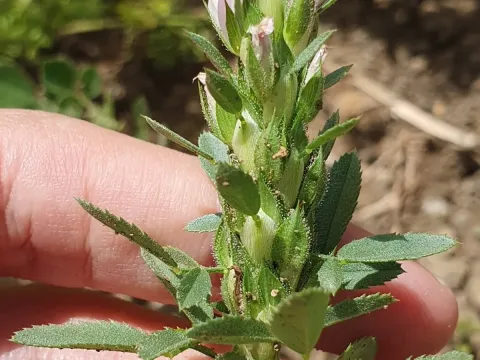
Ononis mitissima is an annual herbaceous plant belonging to the Fabaceae family. It is known for its robust taproot system, which helps it survive in various Mediterranean environments.
What the section contains
Ononis mitissima
Sowing typically takes place in early spring when soil temperatures reach stable levels. The crop requires well-prepared, loose soil to facilitate the rapid development of its primary root.
Planting density is crucial for optimizing the yield of green biomass. The seeds are generally sown at a shallow depth, ensuring they are protected while remaining close enough to the surface for quick germination.
Once planted, the field is often rolled to enhance seed-to-soil contact. This practice is essential for maintaining consistent moisture levels around the developing seeds during the early stages.
The selection of an appropriate planting site, ideally one with good sunlight exposure and adequate drainage, significantly impacts the success of the establishment phase.
This crop thrives in climates characterized by warm summers and mild, wet winters. It demonstrates considerable resilience to drought, making it suitable for regions with limited rainfall.
Regarding soil preferences, Ononis mitissima performs best in neutral to slightly alkaline, well-aerated sandy or loamy soils. High calcium content in the soil is particularly beneficial for its growth.
Agronomic management involves periodic mechanical weeding to prevent competition from invasive species. Maintaining clean fields is vital during the early vegetative growth phase.
Fertilization should be managed based on soil testing results, with an emphasis on potassium and phosphorus. Nitrogen application is usually minimal since the plant is a legume.
Adequate air circulation within the canopy is important to reduce the incidence of moisture-related diseases. Proper spacing during sowing is the first step in ensuring good air flow.
The yield of Ononis mitissima is determined by its biomass accumulation capacity, which is generally reliable under optimized agricultural conditions. It is valued for its contribution as a forage crop.
Seed production is an essential secondary harvest, providing resources for future agricultural cycles. Proper management of the reproductive phase ensures high-quality seeds.
As a legume, this plant contributes to soil fertility through nitrogen fixation. This attribute makes it an excellent choice for improving land quality within a broader crop rotation system.
Harvesting at the correct phenological stage is critical for maximizing both biomass and nutritional value. Farmers should monitor the flowering phase to determine the optimal timing for cutting.
Total seasonal yield can be enhanced through proper irrigation management if the crop is cultivated in regions where rainfall is insufficient during the peak growing months.
Fungal pathogens such as powdery mildew represent the most significant threat, particularly in humid conditions. Integrated pest management strategies are recommended for long-term control.
Pests like aphids and certain beetle species can damage the plant's foliage. Regular field scouting is necessary to identify infestations early and apply corrective actions.
Competition from broad-leaved weeds can severely stunt growth during the first few weeks. Mechanical inter-row cultivation is highly effective for managing these weed populations.
Poor soil drainage can lead to root rot, which is a major concern in heavier clay soils. Site selection is therefore a primary factor in mitigating risks to plant health.
Effective prophylaxis, including the use of certified, clean seeds, helps prevent the introduction of soil-borne pathogens into the field and ensures a stronger crop stand.
Harvesting for fodder is typically carried out at the peak of the flowering stage, ensuring the plant provides the highest level of crude protein and digestible nutrients for livestock.
When harvesting for seeds, farmers wait until the pods have turned brownish-yellow. This signals that the seeds are mature and ready for collection using conventional harvesting machinery.
Post-harvest processing involves immediate cleaning to remove plant debris and moisture reduction. Keeping the harvested material dry prevents the growth of molds and quality deterioration.
Proper storage in ventilated, pest-free environments ensures the longevity of the seeds. Maintaining low humidity is essential to keep germination rates high for subsequent seasons.
Efficiency in harvesting operations reduces field losses and improves overall economic returns. Using well-adjusted equipment tailored for legumes minimizes mechanical damage to the seeds.