
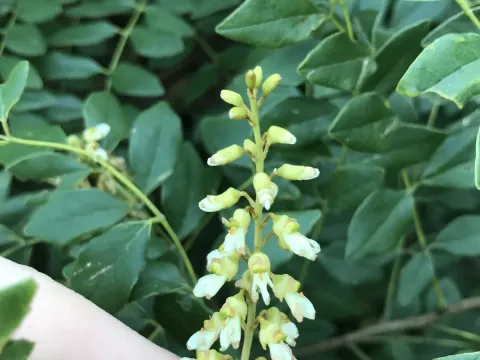
Maackia tashiroi
Maackia tashiroi
Maackia tashiroi is a distinctive member of the Fabaceae (legume) family, native to the island regions of Japan. It typically grows as a small deciduous tree or large shrub, prized by horticulturists for its refined foliage and elegant habit.
What the section contains
Maackia tashiroi
The natural habitat of this species is characterized by mild climates, which dictates its preference for sites with good sun exposure. It is known for its relatively slow growth rate but excellent long-term structural durability in landscape applications.
Ideal soil conditions include well-drained, nutrient-rich substrates that allow for proper root development. The plant shows a strong aversion to waterlogged environments, necessitating a site selection that ensures sufficient drainage to prevent root rot.
Botanically, Maackia tashiroi is identified by its pinnate leaves and terminal racemes of small, papilionaceous flowers. The visual interest provided by its blooming period makes it a high-value species for aesthetic urban forestry and garden design.
In addition to ornamental use, the tree is valued for its hardiness. It adapts well to various garden settings, provided the core requirements for sunlight and air circulation are maintained throughout the growing season.
Primary threats to Maackia tashiroi include fungal pathogens that thrive in conditions of high atmospheric humidity and poor ventilation. Common issues such as foliar spots can detract from the plant's health if left untreated.
Insect pests, including various leaf-eating beetles, may occasionally attack the canopy. Monitoring for signs of herbivory during the early summer months is crucial for maintaining the plant's vigor and decorative appeal.
Cultural control measures are the most effective way to manage threats. This includes maintaining proper spacing between trees and performing selective pruning to ensure that air flows freely through the inner branches of the crown.
Preventative chemical treatments may be employed in high-risk areas, but they should be used sparingly as part of an integrated management strategy. Focusing on tree vigor through proper fertilization is a superior long-term approach.
Good sanitation practices, such as the removal and destruction of fallen foliage during autumn, are essential to break the life cycle of pests and fungal spores that may overwinter near the tree base.