
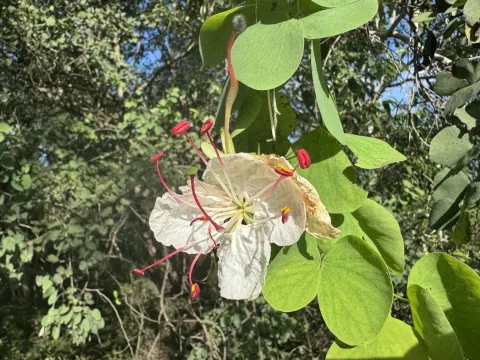
Lysiphyllum
Lysiphyllum
Propagation of Lysiphyllum is primarily achieved through seed sowing in greenhouse conditions. Given the hard seed coat, physical scarification is recommended to enhance the germination rate and ensure uniform emergence.
What the section contains


Lysiphyllum
Seeds should be sown in a well-draining substrate composed of peat and perlite, kept at a consistent temperature between 22 and 26 degrees Celsius. High humidity levels are crucial during the initial stages of development.
Seedlings usually emerge within several weeks, depending on environmental conditions. It is important to maintain stable moisture levels to avoid stress on the developing root systems.
Once the plants reach a size of 15 to 20 centimeters, they should be repotted or transplanted into their permanent location. Proper spacing is essential to encourage healthy canopy development.
Acclimatization to ambient outdoor conditions should be done gradually to ensure the survival and vigor of the young plants in the field.
Lysiphyllum belongs to the Fabaceae family and is native to tropical and subtropical regions, particularly parts of Australia and Asia. It thrives in warm climates where temperatures remain consistently high throughout the year.
The plant prefers well-aerated, fertile, and slightly acidic soils. Good soil drainage is critical to prevent root decay, as the species is highly susceptible to waterlogging in poorly structured soils.
Lysiphyllum requires full sun exposure to maintain its growth rate and flowering potential. In its native habitat, it grows in open woodlands, suggesting a need for high light intensity.
Agrotechnical management includes periodic fertilization with micronutrients and balanced NPK formulas. Nitrogen fixation through root nodules helps the plant adapt to nutrient-poor soils.
Irrigation should be managed based on seasonal fluctuations, providing ample water during the active growing phase and reducing volume during the dormant season to mimic its natural cycle.
The main pests affecting Lysiphyllum are sap-sucking insects like aphids, scales, and spider mites, which can cause significant damage if populations go unchecked.
Fungal pathogens such as root rot and leaf spots are common issues under conditions of high humidity and poor ventilation. Proper spacing and airflow are the best preventative measures.
Leaf-chewing larvae may occasionally infest the foliage, requiring physical removal or integrated pest management strategies to minimize economic losses.
To prevent disease outbreaks, sanitation of the area surrounding the plants is essential, ensuring that no decomposing plant material remains near the roots.
Monitoring the plant for signs of stress, such as yellowing leaves or wilting, allows for timely intervention and application of necessary agricultural treatments.