
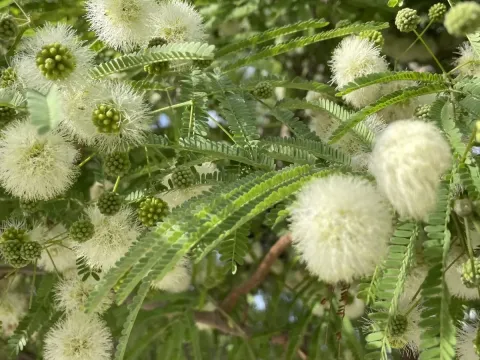
Lysiloma watsonii
Lysiloma watsonii
Lysiloma watsonii, often known by the common name Desert Fern or Feather Tree, is a member of the Fabaceae family. Propagation is primarily achieved through seeds, which feature a hard, water-resistant seed coat that requires scarification before planting to ensure uniform germination.
What the section contains
Lysiloma watsonii
Sowing should be done in a well-draining soil mix during the spring months when temperatures are consistent. Seeds should be placed at a shallow depth of about 1–2 centimeters, keeping the medium slightly moist until emergence occurs.
Once seedlings have reached a manageable height, they can be transplanted to a permanent location. Initial protection from harsh elements and excessive wind is beneficial during the first few seasons as the taproot system becomes established.
The growth rate of the tree is moderate, and it tends to branch out to form an airy, spreading crown. Providing sufficient space between specimens is essential to allow for proper air circulation and to prevent overcrowding in the nursery or garden environment.
Maintenance during the establishment phase includes occasional watering, gradually tapering off as the tree matures and its root system penetrates deeper into the soil to access groundwater.
Native to arid and semi-arid regions of Mexico and the Southwestern United States, this species is highly drought-tolerant. It thrives in stony, gravelly, or sandy soil types that offer excellent drainage, as it cannot withstand standing water or waterlogged conditions.
The tree requires full sun exposure to flourish and maintain its structural integrity. It is well-adapted to high heat and intense light conditions, making it an excellent choice for landscapes in arid zones.
Lysiloma watsonii is not particularly demanding regarding soil nutrient content, being capable of growing in nutrient-poor soils common in its natural habitat. Nitrogen-fixing properties of the root nodules may contribute to its survival in such environments.
While mature trees are relatively hardy, young plants are vulnerable to hard frosts. In cooler climates, providing frost protection for the first few years is necessary to prevent tissue damage and ensure long-term viability.
Minimal pruning is required, primarily to clear deadwood or to shape the canopy for aesthetic purposes. The tree generally does not require intensive fertilization, as it is adapted to low-input management systems.
Lysiloma watsonii is remarkably resistant to most common plant diseases. The primary threat to its health is root rot, which almost exclusively results from poor drainage or excessive irrigation in heavy clay soils.
Occasional infestations of aphids or spider mites may occur on young, succulent growth, especially if the tree is experiencing water stress. These are typically managed through biological control agents or simple horticultural oils if needed.
Boring insects can sometimes target stressed or wounded trunks. Maintaining tree health through proper site selection and avoiding mechanical injury to the bark remains the best method for preventing these insect problems.
Fungal leaf spots are rare and usually indicate high humidity coupled with poor air circulation. Thinning out the canopy to improve airflow is generally sufficient to resolve such issues without chemical intervention.
Overall, this species is a robust performer in its native range, provided that gardeners respect its need for well-drained soil and high sunlight exposure throughout the growing season.