
Macrolobium
Macrolobium
Macrolobium is a genus of trees and shrubs belonging to the Fabaceae family. These plants are native to the tropical regions of Africa and the Americas, primarily inhabiting riverine forests and seasonally flooded habitats.
What the section contains


Macrolobium
This culture thrives in warm, humid climates where water availability is consistent throughout the year. It exhibits remarkable physiological adaptations to waterlogged soils, which would be detrimental to most other tree species.
The soil requirements for Macrolobium involve nutrient-rich, deep alluvial deposits found near tropical waterways. The plant requires high atmospheric humidity and constant moisture in the root zone to maintain its metabolic processes.
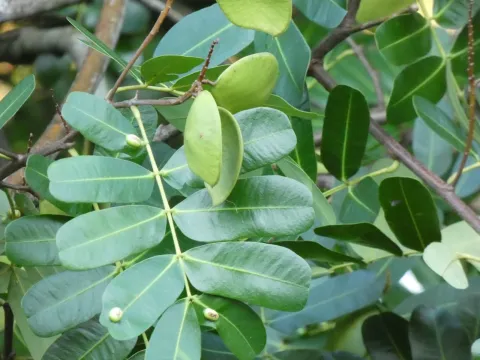
Botanically, Macrolobium species are characterized by their distinct foliage and complex floral structures. Many species serve as essential components of the forest canopy, providing shade and structural stability to riverbanks.
Agricultural management of Macrolobium is rarely intensive, as the species is typically managed within the context of wild-grown tropical forests. Conservation of its natural habitat is the most effective way to ensure the long-term survival of the species.
The primary economic output of Macrolobium is high-density timber, which is valued for its durability and resistance to moisture-induced decay in tropical construction projects.
Yield metrics in forestry terms focus on the sustainable extraction of wood products without degrading the surrounding ecological complex. Because of the species' moderate to slow growth rate, harvesting is conducted on a multi-decade cycle.
Beyond its timber, the genus contributes to the overall biodiversity of tropical environments. Local populations often utilize various parts of the tree for traditional medicinal purposes or as a source of raw materials for small-scale crafts.
Sustainable yield management requires mapping mature stands and ensuring that selective logging practices protect younger specimens and the overall forest structure.
Research into plantation silviculture for Macrolobium is limited, as the tree relies heavily on complex symbiotic soil relationships that are difficult to replicate in artificial planting environments.
The most significant threat to Macrolobium is the ongoing deforestation of tropical basins. Clearing riverine zones for large-scale agricultural operations leads to soil erosion and the loss of essential habitat.
Pathogenic fungi and various xylophagous insects represent common biological threats. These pests often proliferate in areas where forest density has been disturbed, leading to increased rates of trunk rot and wood devaluation.
Climate change poses a systemic threat by altering river flooding patterns. Macrolobium relies on these pulses for seed dispersal and nutrient cycling; their disruption hinders natural regeneration cycles.
Invasive species can outcompete young Macrolobium seedlings for sunlight and soil nutrients. This competitive pressure, combined with habitat fragmentation, creates significant challenges for population maintenance.
Effective protection of this resource requires a global commitment to preserving primary tropical forests, which are the only environments currently capable of sustaining healthy Macrolobium populations.