
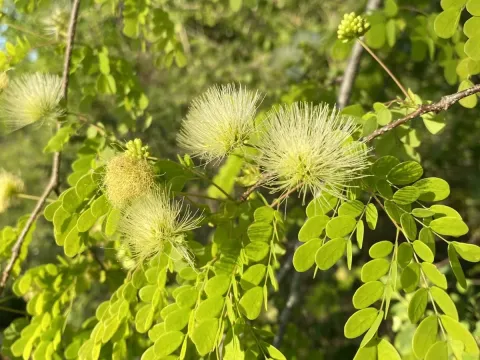
Lysiloma sabicu
Lysiloma sabicu
Lysiloma sabicu, belonging to the Fabaceae family, is a notable tropical tree species native to the Caribbean region, particularly Cuba and the Bahamas. It is a large, deciduous tree characterized by a broad, spreading crown and feathery, bipinnate leaves.
What the section contains
Lysiloma sabicu
The species thrives in tropical environments, requiring warm temperatures and abundant sunlight. It is well-adapted to seasonal climates, showing resilience to short periods of drought once established in its growing site.
Regarding soil requirements, this tree prefers well-drained, limestone-based, or sandy soils. It is highly intolerant of waterlogged conditions, which can lead to rapid root degradation and overall decline of the specimen.
For successful planting, ensure the area provides sufficient space for the roots to expand. The tree is a heliophyte, meaning it performs best in full-sun exposure, which is critical for its growth rate and structural integrity.
Propagation is primarily achieved through seeds. To maximize germination success, seeds should undergo mechanical scarification of the seed coat, followed by soaking in water, which helps overcome natural dormancy mechanisms.
The primary economic output of Lysiloma sabicu is its high-quality timber, commonly known in the trade as sabicu wood. This wood is highly prized for its dense structure, durability, and rich, dark brown aesthetic qualities.
Sabicu wood is frequently utilized in the production of high-end furniture, cabinetry, and musical instruments. Its resistance to decay and insects makes it a premium choice for both indoor and specialized outdoor woodworking projects.
As a forestry crop, it requires a long-term management strategy, often spanning several decades before the trees reach the appropriate diameter for harvest. Careful silvicultural management, including periodic pruning, improves wood quality.
Ecologically, the tree plays a role in nitrogen fixation, a characteristic shared by many Fabaceae species. This biological process enriches the soil, making it a beneficial component for intercropping systems in tropical agriculture.
In addition to timber, the tree serves as an excellent shade provider in parks and urban landscaping. Its natural canopy architecture helps mitigate heat island effects, contributing to cooler microclimates in warm regions.
The main phytosanitary challenges for Lysiloma sabicu involve fungal pathogens that thrive in high-humidity conditions. Preventing stagnation of water around the root collar is the most effective preventative measure against root rot.
Wood-boring insects represent a significant threat to established trees. Growers should monitor for exit holes or frass on the bark, as these indicate pest activity that may necessitate localized pest control interventions.
Mechanical damage from storms or hurricanes is a frequent risk in its native range. Regular maintenance, including the removal of dead or crossing branches, helps maintain structural balance and reduces the likelihood of wind damage.
Young seedlings are particularly vulnerable to weed competition. Establishing a mulch layer around the base of the tree is recommended to suppress weeds and retain soil moisture without causing water stagnation.
Nutritional imbalances, particularly those caused by improper fertilizer application, can weaken the tree's natural defenses. Adherence to a balanced fertility program is essential for maintaining robust growth and preventing susceptibility to disease.