
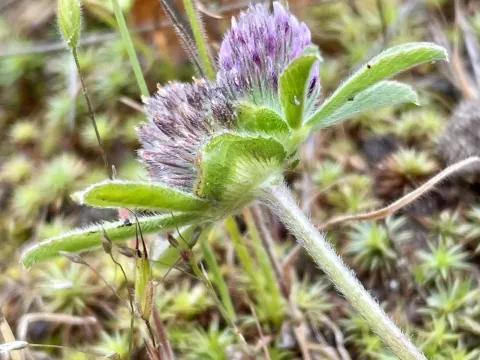
Macrae's clover
Trifolium macraei
Macrae's clover (Trifolium macraei) is an annual herbaceous plant belonging to the Fabaceae family. Native to South America, particularly regions of Chile, this species has adapted to specific ecological conditions characterized by temperate seasonal cycles and open meadow environments.
What the section contains
Macrae's clover
The crop thrives in temperate climates that provide adequate moisture during the vegetative growth phase. While it can handle some variability in rainfall, consistent soil moisture during the spring months is essential for achieving optimal biomass production and successful flowering.
Soil requirements for Trifolium macraei prioritize well-drained conditions. It is particularly successful on light-textured soils, such as sandy loams, where its root system can penetrate effectively without encountering zones of anaerobic waterlogging.
As a legume, Macrae's clover plays a significant role in sustainable agriculture through nitrogen fixation. By housing symbiotic bacteria in its root nodules, it contributes to soil nitrogen enrichment, benefiting subsequent crops in a rotation system.
Botanical characteristics include compound trifoliate leaves and terminal flower heads typical of the Trifolium genus. The growth habit is generally low-lying to semi-erect, which provides resilience against grazing pressure when utilized as a forage resource.
Common threats to this crop include various species of weevils that target both the foliage and root nodules. Early infestation can significantly reduce the establishment density of the crop, necessitating careful monitoring during the seedling stage.
Fungal diseases such as powdery mildew and rust often emerge when humidity levels remain high for extended periods. These pathogens affect the photosynthetic efficiency of the plant, leading to stunted growth and reduced yields.
Integrated pest management strategies are crucial for maintaining healthy stands of Macrae's clover. This includes crop rotation, which helps disrupt the life cycles of specialized insect pests that persist in the soil or crop residues.
Good agricultural practices, such as optimizing plant density and ensuring appropriate nutrient balance, significantly bolster the plant's inherent resistance to disease. Avoiding excessive moisture accumulation through improved drainage is also a key preventive measure.
When chemical intervention is required, it should be timed precisely to match the peak activity of specific pests. However, an emphasis on biodiversity and biological control agents remains the preferred approach for long-term sustainable production.