
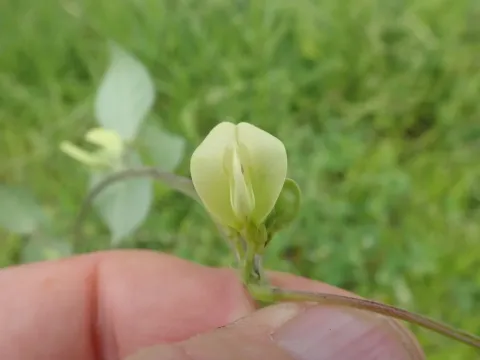
Macrotyloma
Macrotyloma
Macrotyloma is a heat-loving plant, making its sowing schedule strictly dependent on stable high temperatures and the onset of the rainy season. In tropical regions, planting is typically carried out just before or during the start of the monsoon rains.
What the section contains


Macrotyloma
For optimal seed germination, soil temperatures should reach at least 20–22 degrees Celsius. Sowing too early in cold soil leads to poor emergence and increases the vulnerability of seedlings to soil-borne fungal infections.
The recommended seeding rate varies based on the intended use of the crop. Higher densities are applied for biomass and forage production, while wider spacing is used for grain cultivation to allow for full pod development.
Seeds are generally sown at a depth of 3–5 centimeters. In arid conditions or on lighter soils, planting slightly deeper is acceptable to ensure the seed maintains contact with the moisture-retaining soil layers.
Avoiding overly dense planting is crucial to ensure proper air circulation, which prevents the rapid spread of fungal diseases common in high-humidity tropical environments.
Macrotyloma belongs to the Fabaceae family and is a herbaceous plant known for its high environmental adaptability. Its natural range encompasses tropical and subtropical regions across Africa and Asia, where it thrives in challenging climatic conditions.
The plant demonstrates exceptional drought tolerance, making it an invaluable crop for regions with irregular rainfall patterns. It can successfully grow in poor, degraded soils where other staple crops often fail to produce viable yields.
The crop is not demanding regarding soil types but prefers well-drained substrates. Macrotyloma does not tolerate waterlogging; therefore, in areas with heavy clay soils, drainage improvements are necessary to avoid root damage.
As a legume, it actively participates in symbiosis with nitrogen-fixing bacteria, enriching the soil with nitrogen. This characteristic makes it a vital component in crop rotation systems to restore fertility in exhausted agricultural lands.
Botanically, it is a trailing or climbing plant featuring trifoliate leaves. Its well-developed root system allows it to efficiently extract water from deep soil profiles, ensuring survival even during intense heat waves.
The yield of Macrotyloma green biomass is heavily dependent on agricultural management practices and moisture availability during the growing season. Under optimal conditions, the crop can provide multiple cuttings per year.
When grown for grain, yields typically range from 1 to 2 tonnes per hectare. The seeds are utilized not only as a high-protein supplement for livestock but also for human consumption in several regions.
The crop serves various agricultural purposes, including hay production, silage, and direct grazing. It maintains high nutritional value even when harvested in the mature vegetative stage.
To maximize biomass production, moderate application of phosphorus fertilizers is recommended. These nutrients stimulate better root development and enhance the nitrogen-fixing activity of the plant.
Macrotyloma handles moderate grazing pressure well, showing a strong ability to recover quickly thanks to the vigorous regrowth of its stems after being browsed by livestock.
The primary threat to crops comes from leaf-eating insects, which can significantly reduce the overall biomass. Regular field monitoring during the active growth phase is essential to manage pest populations effectively.
In high-humidity conditions, the plant is susceptible to fungal diseases such as powdery mildew and various leaf spot pathogens. Effective management relies on consistent crop rotation and the selection of resistant cultivars.
Weeds pose a serious challenge during the early stages of Macrotyloma development. Diligent weeding or inter-row cultivation is necessary during this period, as the crop's initial growth rate is relatively slow.
Nematodes can infest the root system in contaminated soils, leading to stunted growth and yellowing of the foliage. Crop rotation and maintaining specific intervals between replanting on the same field are standard preventative measures.
Post-harvest seed storage requires strict moisture control to prevent the development of storage pests and mold, which significantly reduce the quality and viability of the seeds for the next planting season.
Harvesting for hay is best conducted during the mass flowering stage, which is when the nutrient content in both stems and leaves reaches its peak concentration.
Grain harvesting begins after the pods have fully matured and dried out, turning a characteristic color. It is crucial to avoid leaving the crop in the field for too long to prevent pod shattering and subsequent seed loss.
Harvesting can be done manually or mechanically, depending on the scale of the farming operation. The use of harvesting machinery can drastically increase efficiency in larger fields.
After cutting, the biomass is often left to cure in the field if weather conditions allow for rapid drying. This is a critical step, as excessive residual moisture in the hay leads to spoilage and a significant decrease in nutritional value.
Properly cured and stored, the harvest provides livestock farmers with a high-quality, protein-rich source of feed throughout dry periods when fresh forage is scarce.