
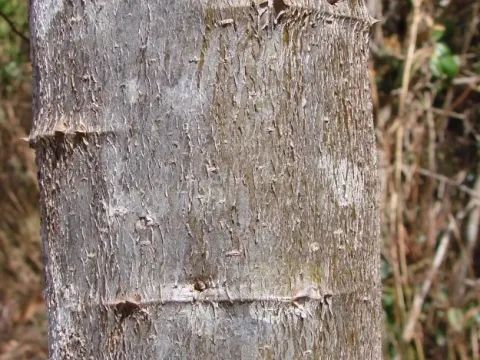
Machaerium
Machaerium
Machaerium is a genus of trees, shrubs, and lianas belonging to the Fabaceae family, native primarily to the tropical regions of the Americas. These plants are scientifically significant for their diverse morphological traits and their ability to thrive in complex tropical ecosystems.
What the section contains
 Machaerium
 stipitatum
Machaerium
Machaerium stipitatum
 Machaerium acutifolium
Machaerium acutifolium
Machaerium acutifolium
 Machaerium amplum
Machaerium ferox
Machaerium ferox
Machaerium firmum
Machaerium firmum
Machaerium amplum
Machaerium amplum
Machaerium ferox
Machaerium ferox
Machaerium firmum
Machaerium firmum
 Machaerium humboldtianum
Machaerium incorruptibile
Machaerium incorruptibile
Machaerium leucopterum
Machaerium leucopterum
Machaerium humboldtianum
Machaerium humboldtianum
Machaerium incorruptibile
Machaerium incorruptibile
Machaerium leucopterum
Machaerium leucopterum
 Machaerium lunatum
Machaerium moritzianum
Machaerium moritzianum
Machaerium lunatum
Machaerium lunatum
Machaerium moritzianum
Machaerium moritzianum
 Machaerium nigrum
Machaerium nigrum
Machaerium nigrum
 Machaerium paraguariense
Machaerium robiniaefolium
Machaerium robiniaefolium
Machaerium paraguariense
Machaerium paraguariense
Machaerium robiniaefolium
Machaerium robiniaefolium
 Machaerium scleroxylon
Machaerium scleroxylon
Machaerium scleroxylon
 Machaerium tobagense
Machaerium tobagense
Machaerium tobagense
 Machaerium villosum
Machaerium villosum
Machaerium villosum
Machaerium
The climate requirements for Machaerium focus on high temperatures and consistent warmth throughout the year. They are strictly non-frost hardy, making their cultivation limited to tropical and subtropical zones where the temperature does not drop below critical levels.
Regarding soil, these trees demand well-drained, nutrient-rich substrates that allow for deep root penetration. They generally struggle in compacted clay soils or areas prone to waterlogging, as these conditions inhibit healthy root respiration.
Cultivation practices necessitate a careful balance of irrigation, especially for juvenile plants that require constant moisture to establish a robust framework. In commercial setups, managing the light canopy is essential to ensure that seedlings receive adequate photosynthesis without suffering from extreme heat stress.
Economically, the genus is highly valued for its timber, which is often marketed as a variant of rosewood. Due to its superior density, durability, and intricate grain patterns, the wood is utilized in fine cabinetmaking, high-end furniture construction, and the manufacturing of acoustic instruments.
Fungal pathogens represent the primary biological threat, particularly in plantation environments with limited air circulation. These diseases can attack the bark and the vascular system, significantly hindering the tree's physiological vigor.
Wood-boring insects are considered the most destructive pests for mature trees. Their larvae tunnel into the trunk and branches, compromising the structural integrity of the wood and rendering it unsuitable for high-quality commercial use.
Seedling mortality is often linked to soil-borne pathogens such as Pythium or Rhizoctonia. Implementing sterile propagation protocols is essential for nurseries to ensure a high success rate during the initial planting phases.
Defoliating insects present a recurring challenge during the wet season, capable of stripping the foliage and reducing the photosynthetic capacity of the plants. Integrated pest management strategies, including biological controls, are recommended for large-scale plantings.
Environmental stress factors, such as prolonged drought or nutrient deficiencies, increase susceptibility to secondary infections. Maintaining soil health and balanced fertilization is a key component in preventing disease outbreaks within the plantation.