
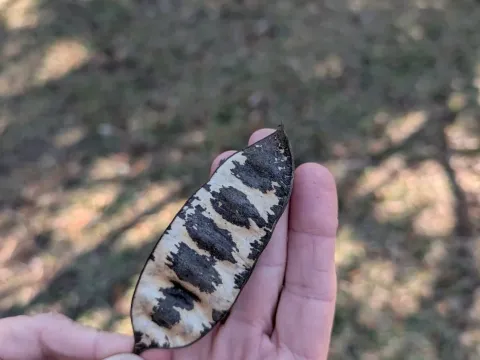
Lysiloma
Lysiloma
Lysiloma is a genus of trees belonging to the Fabaceae family. These trees are native to tropical and subtropical regions of the Americas and are recognized for their rapid growth rates and adaptability to harsh environmental conditions.
What the section contains

Lysiloma
Successful cultivation requires well-drained soil, as the plants are highly susceptible to root damage in waterlogged conditions. They thrive in various soil types, ranging from sandy to loamy textures, provided the drainage is adequate and the pH remains balanced.
Climate requirements include warm temperatures throughout the year. As a frost-sensitive genus, Lysiloma is strictly confined to regions without freezing winters, where it can utilize full sun exposure for optimal photosynthetic activity and development.
Soil management practices often involve the use of nitrogen-fixing characteristics of the tree to enhance site productivity. Lysiloma is frequently incorporated into agroforestry models to improve soil structure and provide shade for associated crops.
Water requirements for mature trees are relatively low, as the species is drought-tolerant. However, supplemental irrigation is often beneficial during the establishment phase to ensure high survival rates and uniform stand development.
The primary threats to Lysiloma include fungal infections affecting the roots and vascular system. These pathogens typically emerge in poorly managed soils where moisture levels exceed the plant's tolerance threshold.
Wood-boring insects represent a significant risk to the integrity of older trees. These pests compromise the structural stability of the trunk, which can lead to economic losses when the wood is intended for construction purposes.
Nursery-aged seedlings are vulnerable to common pests such as aphids and spider mites. Proactive monitoring and integrated pest management are essential to ensure the vitality of young stock before outplanting.
Mechanical injuries to the bark provide entry points for secondary pathogens and wood-rotting fungi. Maintaining a clean cultivation environment and avoiding unnecessary wounding is crucial for long-term health.
To mitigate these threats, foresters prioritize site selection and species diversification. Establishing a healthy, resilient ecosystem reduces the overall reliance on chemical treatments for pest and disease control.