
Maackia
Maackia
Maackia belongs to the Fabaceae family. This tree or large shrub possesses high ornamental value and naturally grows in the forests of the Far East, Korea, and China.
What the section contains

Maackia
The crop prefers well-lit areas but can tolerate light shading during early development stages. It is demanding regarding soil fertility and thrives in moderately moist, loamy soils with a neutral or slightly acidic reaction.
Mature plants are characterized by high winter hardiness, allowing for their use in landscaping northern regions. A crucial factor for successful growth is proper drainage, as water stagnation can negatively affect the development of the root system.
In terms of agricultural practice, the plant is considered relatively low-maintenance. It is capable of fixing nitrogen from the air on its own through symbiosis with nodule bacteria, which improves the nutrition of the tree itself and the surrounding soil cover.
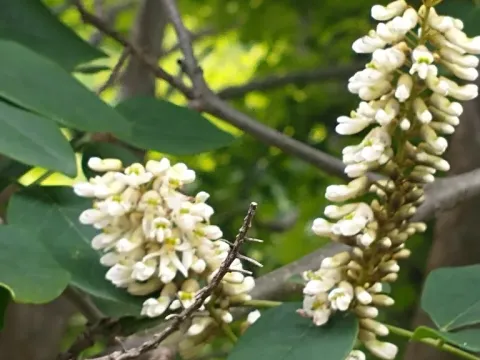
The economic use of Maackia is primarily ornamental. It is planted in urban parks and gardens as a specimen tree or in group plantings due to its attractive foliage and raceme inflorescences that resemble white acacia flowers.
The main diseases for this species are fungal infections, such as leaf spot, which develop in conditions of excessive humidity. It is recommended to perform preventive treatments with fungicides.
Among pests, leaf-eating insects and aphids pose the greatest threat, as they can damage young leaves. During dry periods, it is important to monitor the tree's condition to prevent the weakening of its immune system.