
Macroptilium longepedunculatum
Macroptilium longepedunculatum
Macroptilium longepedunculatum is a perennial herbaceous plant belonging to the Fabaceae family. Native to the South American continent, this species is highly valued for its adaptability to diverse tropical and subtropical environments.
What the section contains
Macroptilium longepedunculatum
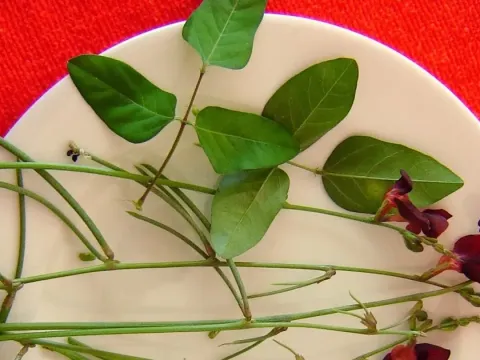
Botanically, the plant is characterized by long leaf stalks and stems that demonstrate excellent growth habits in competitive vegetation environments. Its root system is deep and robust, allowing the plant to maintain physiological activity during periods of seasonal water stress.
The crop thrives in well-drained soil types, preferring neutral to slightly acidic pH levels. Soil aeration is critical for its survival, as the plant is sensitive to waterlogged conditions, which can lead to root degradation and stunted development.
Climatologically, this legume requires tropical or warm conditions to flourish. It demonstrates the best biomass yield at temperatures ranging from 22 to 30 degrees Celsius and must be protected from frost, as even mild freezing temperatures can result in significant damage to its vegetative parts.
In agricultural practice, it is primarily used as high-quality forage for livestock. Beyond its nutritional profile, the plant's ability to fix atmospheric nitrogen contributes significantly to soil fertility, making it an excellent choice for sustainable pasture management and soil restoration projects.
The crop is susceptible to several fungal diseases, including rust and various leaf spot pathogens, which typically manifest under high humidity and poor ventilation. Proper spacing and crop rotation are essential management strategies to reduce the prevalence of these infections.
Pests such as foliage-feeding insects and larvae can impact the yield during the active growing season. Implementing integrated pest management practices helps to maintain healthy stands and ensures the long-term productivity of the pasture or forage site.