
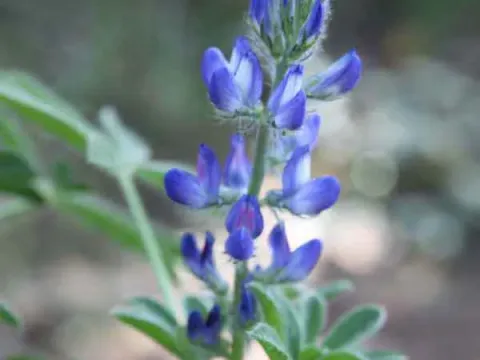
Small-flowered lupine
Lupinus micranthus
Small-flowered lupine (Lupinus micranthus) is a member of the Fabaceae family, recognized for its valuable role in soil improvement and green manure production. This species is characterized by its specific morphological traits, including smaller flower structures compared to other popular lupine varieties.
What the section contains
Small-flowered lupine
The sowing window for this crop opens in early spring as soon as the soil temperatures consistently reach 5–7 degrees Celsius. Early planting is vital to take full advantage of spring soil moisture before the peak of summer temperatures occurs in the vegetative cycle.
Standard seeding rates are determined by the intended use of the crop, whether for seed harvest or biomass generation. A typical row spacing of 15 cm is recommended to ensure even distribution and uniform canopy closure across the field.
Seed depth should be carefully calibrated to the texture of the soil, generally ranging from 3 to 5 cm. Adequate soil contact post-seeding is essential for germination, which is why a roller is typically used immediately after planting to ensure optimal soil structure around the seed.
The germination process is relatively swift if soil moisture is sufficient, and plants typically emerge within two weeks. The early establishment of the crop is crucial for its subsequent ability to suppress weeds and compete effectively in the field environment.
This lupine species thrives in light, sandy, and well-drained soils, showing a preference for slightly acidic pH levels. It is significantly less productive on highly calcareous or alkaline soils, where nutrient lockout can impede its overall development.
Climate adaptability is one of the strengths of the small-flowered lupine, as it is relatively frost-tolerant during its early growth stages. However, it requires a moderate climate to perform at its best, particularly avoiding prolonged periods of extreme heat during flowering.
The crop acts as an excellent soil builder due to its symbiotic nitrogen-fixing abilities. By working with specific rhizobia bacteria, the plant converts atmospheric nitrogen into a form available for the soil, significantly boosting the nitrogen content for subsequent crops in the rotation.
Agronomic management requires careful attention to weed control during the seedling stage. Once the crop reaches the branching stage, it develops a thick canopy that effectively shades the ground and suppresses invasive weeds naturally.
Nutritional needs are primarily centered on phosphorus and potassium, which help in developing strong root systems and resilient stems. Proper fertilization strategies should account for these requirements while considering the crop's unique ability to fix its own nitrogen needs.
Fungal diseases, specifically anthracnose and fusarium wilt, are the primary threats to the health of lupine crops. These pathogens thrive in humid environments and can devastate yields if management practices like crop rotation are ignored.
Pests such as aphids and lupine seed weevils pose a significant challenge, especially in regions with mild winters. These insects can damage tender shoots, transmit viral infections, and feed directly on developing seeds, reducing both quality and yield.
Preventive measures include the selection of resistant varieties and the use of certified, treated seeds. Seed treatments provide an initial defense against soil-borne pathogens, ensuring that the young plants get a healthy start during the critical establishment phase.
Field scouting should be a routine practice throughout the season, focusing on early detection of infestations. Integrated Pest Management (IPM) strategies, including the use of biological controls or selective insecticides, should be implemented only when thresholds are exceeded.
Crop rotation is arguably the most important management tool for mitigating disease and pest risks. Avoiding consecutive planting of lupines or other legumes on the same field for at least 4 years is essential for breaking the life cycles of most species-specific pests.