
Small-flowered bird's-foot trefoil
Lotus parviflorus
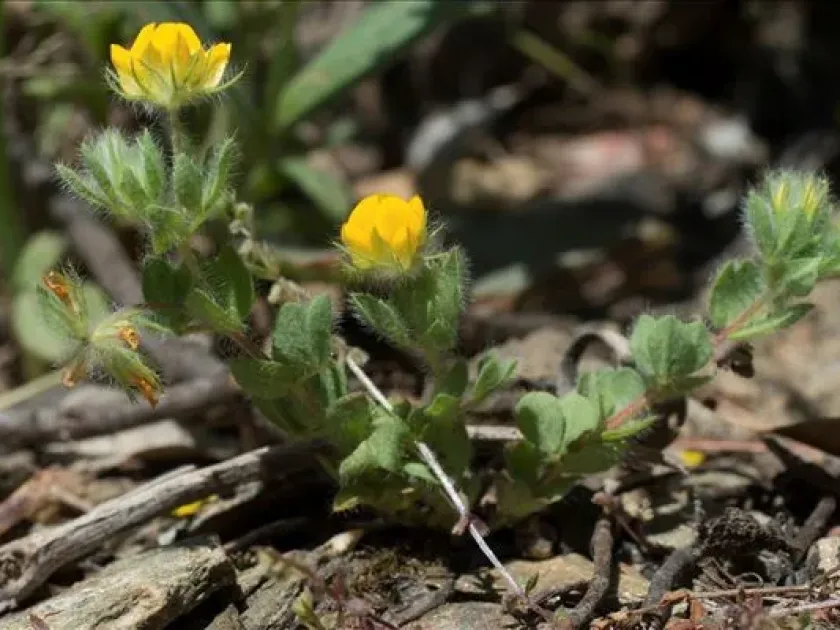
Description
Sowing dates
Small-flowered bird's-foot trefoil (Lotus parviflorus) is an annual legume species characterized by its robustness in challenging environments. The optimal sowing time is early spring, which allows the crop to establish itself before the onset of summer heat.
The seeding process involves using a drill to ensure uniform seed distribution at a shallow depth of approximately 1.5 to 2 centimeters. This depth is critical because deep burial can prevent the seeds from successfully germinating and reaching the surface.
Preparing a clean, fine seedbed is essential for this crop. Field levelling helps to maintain consistent soil-to-seed contact, which significantly improves the germination rates across the entire planted area.
In Mediterranean-type climates, autumn sowing is also a viable option to capitalize on winter moisture. This strategy allows plants to enter the spring growth phase with a well-developed root system, enhancing their overall survival rate.
After seeding, light rolling is recommended to firm the soil around the seeds. This simple mechanical practice is a fundamental step in modern agronomic management for small-seeded legumes like Lotus parviflorus.
Growing requirements
This species is highly adaptable and thrives in various soil types, including sandy, nutrient-poor, and stony substrates. It is particularly valued for its ability to grow where other, more demanding forage crops might fail.
Drought tolerance is one of the standout features of this plant, making it suitable for arid or semi-arid regions. Its deep root architecture enables it to access water reserves that are unreachable by many shallow-rooted pasture plants.
Sunlight requirements for this crop are high; therefore, choosing open, non-shaded field sites is mandatory for success. Shaded conditions lead to weak stems, reduced leaf area, and lower overall dry matter production.
The plant performs best in well-drained soils and is sensitive to waterlogging. Excessive moisture in the root zone can lead to oxygen deprivation and subsequent decay, which is a major constraint in heavy or clay-based soils.
Nitrogen fixation via symbiotic relationships with soil bacteria minimizes the need for synthetic nitrogen fertilizers. Management should focus on phosphorus and potassium levels to support vigorous flowering and seed production cycles.
Main diseases and pests
Fungal diseases are the primary concern for this crop, particularly in high-humidity seasons. Leaf spots and various mildews can spread rapidly if the canopy density is too high or if airflow is restricted between plants.
Pests such as aphids and leaf-eating beetles can cause significant damage to the foliage during the vegetative stage. Regular scouting is essential to identify infestations early and implement targeted control measures if necessary.
Weed control is vital during the establishment phase, as the plant grows slowly compared to more aggressive annual weeds. Utilizing inter-row cultivation or pre-emergent weed management practices can alleviate this competition.
Bacterial pathogens may enter the plant tissue through mechanical wounds, potentially reducing the crop's vitality. Care should be taken during field operations to avoid damaging the stems and leaves of the plants.
To mitigate long-term threats, a sound crop rotation plan should be implemented. Growing Lotus parviflorus in the same field for consecutive years should be avoided to prevent the buildup of soil-borne pathogens and pests.