
Sindora
Sindora
Sindora is a genus of tropical trees belonging to the Fabaceae family, specifically the Caesalpinioideae subfamily. These trees are native to Southeast Asia, where they thrive in lush, humid tropical rainforest environments.
What the section contains
 Sindora bruggemanii
Sindora bruggemanii
Sindora bruggemanii
 Sindora coriacea
Sindora coriacea
Sindora coriacea
 Sindora echinocalyx
Sindora galedupa
Sindora galedupa
Sindora echinocalyx
Sindora echinocalyx
Sindora galedupa
Sindora galedupa
 Sindora irpicina
Sindora javanica
Sindora javanica
Sindora irpicina
Sindora irpicina
Sindora javanica
Sindora javanica
 Sindora klaineana
Sindora klaineana
Sindora klaineana
 Sindora leiocarpa
Sindora leiocarpa
Sindora leiocarpa
 Sindora siamensis
Sindora sumatrana
Sindora sumatrana
Sindora siamensis
Sindora siamensis
Sindora sumatrana
Sindora sumatrana
 Sindora supa
Sindora supa
Sindora supa
 Sindora velutina
Sindora velutina
Sindora velutina
 Sindora wallichii
Sindora wallichii
Sindora wallichii
Sindora
The cultivation of these trees requires a tropical climate with high annual rainfall and consistently warm temperatures. They perform best in deep, well-drained soils, often thriving in protected forest areas where the soil composition supports long-term growth.
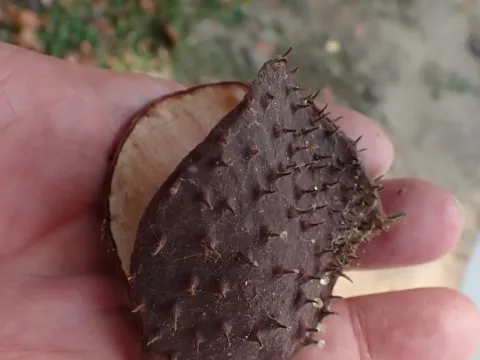
Botanically, Sindora is known for its pinnate leaves and distinctive fruit pods, which are often armed with spines. These trees develop significant structural integrity, allowing them to compete for sunlight within the dense canopy of their native habitats.
The economic value of Sindora is primarily rooted in its timber. The wood is highly sought after for its durability, hardness, and attractive grain, making it a preferred material for high-end furniture crafting and interior architectural applications.
In addition to its timber potential, some species within the genus are known for producing resins used in traditional industries. These trees are essential components of the ecosystem, contributing to the overall carbon sequestration and biodiversity of Asian forests.
The primary threats to Sindora populations include habitat loss due to large-scale deforestation and illegal logging practices. Fragmentation of forests significantly hinders the natural regeneration and dispersal of the species.
Biological threats include wood-boring insects, which can severely damage the tree trunks. Additionally, the trees are susceptible to various fungal infections, particularly when the wood is damaged or when the trees are stressed by environmental changes.
Poor soil conditions or changes in the water table can make young seedlings particularly vulnerable to root rot pathogens. In managed environments, ensuring the health of the root system is critical to the survival of the saplings.
Deforestation exacerbates the impact of these threats by reducing natural resistance and resilience of the species. Monitoring programs are essential to track the health of these trees and protect them from invasive pest outbreaks.
Sustainable forest management and conservation efforts are necessary to ensure the survival of Sindora species. Protecting the remaining tropical forest corridors is the most effective way to mitigate these biological and environmental risks.