
Silvery lupine
Lupinus argenteus
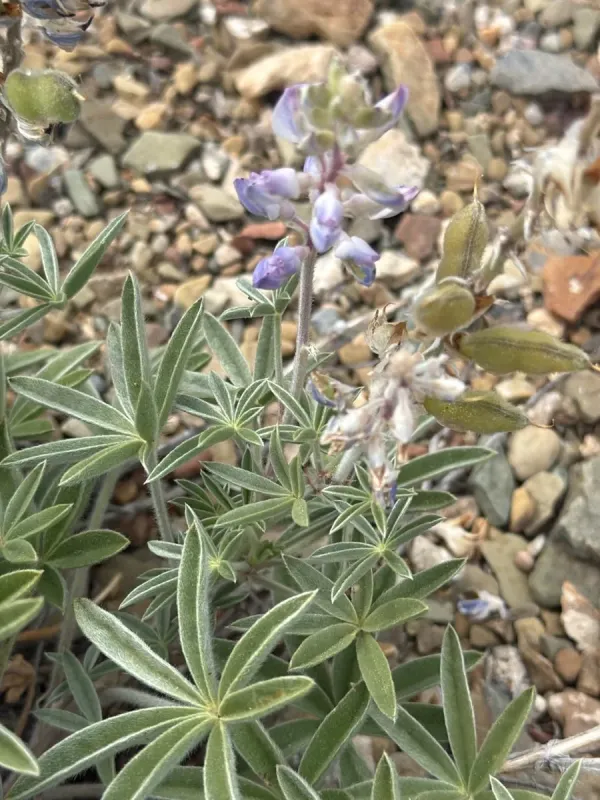
Description
Sowing dates
Sowing of Silvery lupine is best performed in early spring when soil temperatures stabilize between 5 and 8 degrees Celsius. Adequate soil moisture during the germination phase is essential for establishing a healthy, uniform crop stand.
Due to the hard seed coat characteristic of many lupine species, mechanical scarification or soaking in growth-promoting substances is often necessary to break dormancy and ensure rapid seedling emergence in the field.
The recommended seeding depth is between 3 and 5 centimeters, depending on the soil texture. Lighter, sandier soils may allow for slightly deeper planting to reach more consistent moisture levels.
A target planting density of 100 to 150 seeds per square meter is standard for solid seeding. This density facilitates effective competition against weeds while maintaining enough space for robust root and foliage development.
Incorporating Silvery lupine into a balanced crop rotation is highly recommended. Avoid planting in fields where other legumes have been grown within the last four years to prevent the build-up of host-specific soil pathogens.
Growing requirements
Silvery lupine, known botanically as Lupinus argenteus, belongs to the Fabaceae family. It is a perennial plant native to Western North America, adapted to various climates ranging from mountain foothills to open plains.
The plant thrives in well-drained, neutral to slightly acidic soils. It is highly sensitive to waterlogged conditions, which can inhibit its root growth and make it susceptible to root rot diseases.
A key biological advantage of this crop is its ability to fix atmospheric nitrogen through a symbiotic relationship with beneficial bacteria. This significantly reduces the need for synthetic nitrogen fertilizers in crop management.
It displays remarkable drought tolerance, which is facilitated by a deep taproot system. This makes it an excellent candidate for semi-arid environments where water availability is a limiting factor for traditional crops.
Full solar exposure is required for optimal photosynthesis and nutrient accumulation. While it can tolerate partial shade, productivity is significantly reduced under suboptimal light conditions during the peak flowering stage.
Main diseases and pests
Fungal diseases, specifically anthracnose and fusarium wilt, are the primary threats to Silvery lupine crops. These pathogens thrive in high-humidity conditions and can devastate yields if not managed properly.
Pests such as lupine aphids and seed weevils can cause substantial damage. Integrated pest management strategies, including the use of resistant varieties and biological controls, are essential for maintaining crop health.
Root-knot nematodes can undermine the plant's nitrogen-fixing capabilities by attacking the nodules. Maintaining soil health and implementing strict crop rotation protocols are the most effective ways to suppress nematode populations.
Weed competition during the early growth stages is critical. Since the plant starts slowly, timely mechanical or chemical weed control is necessary to prevent weeds from outcompeting the crop for water and nutrients.
Storage of harvested seed requires strict moisture control. If the seeds are stored with high moisture content, they become highly susceptible to molds and secondary fungal infections that affect seed viability.