
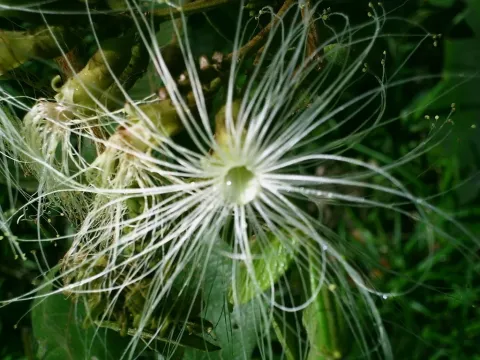
Inga ingoides
Inga ingoides
Propagation is primarily achieved through seeds. Inga ingoides seeds have a short period of viability; therefore, they must be sown immediately after extraction from the pod to prevent desiccation.
What the section contains
Inga ingoides
The ideal time for sowing is the onset of the rainy season. This ensures that the seedlings receive the necessary moisture for successful establishment and root development during their early growth phase.
In nursery settings, seeds are planted in individual containers with a nutrient-rich substrate, providing protection from direct, harsh sunlight until the seedlings are sufficiently established.
Transplanting to the final site is carried out when the young trees reach a height of 30–50 cm. Depending on the intended use, planting density typically ranges from 3 to 5 meters apart.
Direct seeding in the field is also practiced for reforestation projects, although it requires intensive weed control during the first year to ensure the survival of the saplings.
As a member of the Fabaceae family, Inga ingoides is highly valued for its nitrogen-fixing capabilities. It thrives in humid tropical conditions with annual rainfall exceeding 1500 mm.
This species is highly adaptable to various soil types, including acidic and nutrient-poor soils. However, the best growth rates are observed in deep, well-drained soils.
Optimal temperatures for active development range from +20°C to +30°C. The tree is highly sensitive to frost and prolonged periods of drought, requiring careful site selection.
In agroforestry systems, Inga ingoides is frequently utilized as shade for coffee or cacao plantations, creating a favorable microclimate and preventing soil erosion.
The tree is light-demanding but exhibits good tolerance to partial shade in its juvenile stage, allowing for its integration into complex, multi-layered agroforestry landscapes.
The economic value of this crop stems from both its edible fruits and its massive biomass production. The fruits are long pods containing a sweet, fleshy pulp surrounding the seeds.
Fruit yield is dependent on tree age and environmental conditions. Mature trees can produce significant quantities of pods, which are highly popular for fresh consumption in local markets.
A primary feature of the yield is the generation of organic biomass. Regular pruning of branches provides a consistent supply of mulch, which significantly enriches the soil with nitrogen.
Wood production is another key resource. Due to its fast growth rate, the tree allows for sustainable harvesting of firewood, providing an additional income stream for farmers.
Overall farm productivity is improved through the integration of this tree, as it boosts the fertility of the soil and enhances the yields of adjacent agricultural crops.
The culture can be susceptible to various fungal diseases under conditions of high humidity and poor air circulation. Proper pruning and spacing are essential preventative measures.
Pests, such as caterpillars and weevils, may damage foliage and fruits. Regular monitoring of the plantation is vital for the early detection and management of pest populations.
Root rot can occur if there is standing water in the root zone. Selecting sites with natural drainage is critical to avoid these moisture-related health issues.
Nematodes may pose a threat when cultivated on depleted soils, potentially reducing growth rates and overall tree vigor.
Integrated pest management, including the preservation of natural predators and biological control agents, is recommended to minimize reliance on chemical treatments.
Harvesting of the fruit is done manually as the pods reach maturity. Mature pods are identified by changes in color and a firm texture, indicating that the pulp is ready for consumption.
Timely harvest is necessary, as overripe pods may be damaged by birds or fall to the ground, where they can rapidly decay in the tropical climate.
Biomass harvesting is conducted through scheduled pruning, which also helps to manage light levels for intercropped plants and ensures a steady input of organic matter to the soil.
For timber or firewood, harvesting is performed following sanitation or rejuvenation pruning cycles, which promotes rapid regrowth of the tree.
The fruit pulp should be consumed shortly after harvest, as it is prone to rapid fermentation under ambient tropical temperatures.