
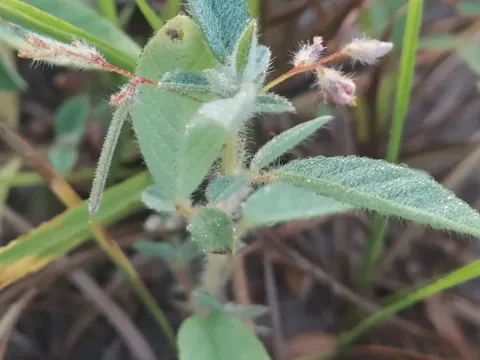
Indigofera pilosa
Indigofera pilosa
Indigofera pilosa is a perennial herbaceous plant belonging to the Fabaceae family, characterized by the fine hairs covering its stems and leaves. This legume species is native to tropical and subtropical regions of Africa, where it has adapted to various environmental stressors, including episodic droughts.
What the section contains
Indigofera pilosa
The plant thrives in well-drained soils and demonstrates a high level of environmental plasticity. Its primary ecological value lies in its symbiotic relationship with nitrogen-fixing bacteria, which significantly improves soil fertility by enriching the nitrogen pool in the rhizosphere.
Climate requirements include warm temperatures and full sun exposure, as the species is intolerant to dense shade and frost. In cultivation, it requires sufficient soil aeration to support the development of extensive root systems and efficient nodulation.
Agricultural management focuses on maximizing biomass production. As a forage crop, it provides a high-protein feed source, while as a cover crop, it acts as a green manure to suppress weeds and reduce soil erosion in tropical climates.
Proper soil preparation is essential before planting, involving shallow tillage to create a favorable seedbed. Due to the small size of the seeds, depth control during sowing is critical to ensure uniform emergence and consistent stand establishment across the field.
Root rot, caused by excessive moisture and poor drainage, remains the most significant threat to the health of Indigofera pilosa. Once established in the root zone, fungal pathogens can quickly degrade plant vigor and lead to significant crop loss.
Insect pests, particularly leaf-feeding beetles and pod-boring larvae, can cause substantial damage during the vegetative and reproductive stages. Integrated pest management strategies are advised to keep populations below economic thresholds.
Nematode infestations may pose a long-term risk, especially in sandy soils where these pests proliferate rapidly. Crop rotation with non-leguminous plants is the most effective biological control method to interrupt the nematode lifecycle.
Disease management should emphasize prevention through cultural practices, including clean seed selection and balanced soil fertility. Avoiding excessive nitrogen fertilization is recommended to maintain natural nitrogen-fixing activity and prevent lush, disease-prone growth.
Weed competition is a major challenge during the seedling establishment phase. Cultivators must ensure that the field is kept clean during the first 4–6 weeks of growth to allow the plants to develop a strong canopy, after which they naturally outcompete most common weeds.