
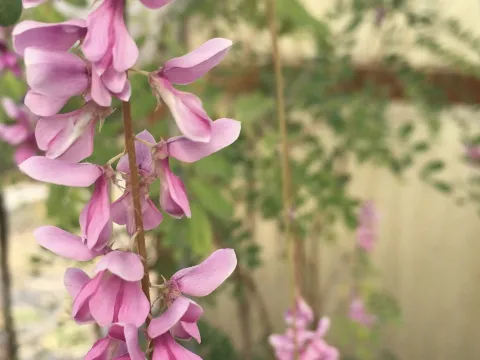
Indigofera pendula
Indigofera pendula
Indigofera pendula, belonging to the Fabaceae family, is a perennial shrub known for its graceful, pendulous flowers. Propagation is primarily achieved through seeds, which require scarification to break dormancy and ensure consistent germination.
What the section contains
Indigofera pendula
Seeds should be sown in a well-draining, lightweight potting mix. A sowing depth of 1–2 cm is optimal to allow sufficient light penetration while keeping the seed moisture-balanced during the early developmental phase.
For large-scale cultivation, seeds are typically started in greenhouses or controlled environments during late winter. This ensures that the young plants are robust enough to withstand outdoor transplanting once the frost risk has passed.
Temperature control is vital during the initial stages; maintaining a range of 20–25 degrees Celsius promotes uniform emergence of seedlings. Proper airflow in the nursery environment is also essential to prevent damping-off.
Once seedlings develop their first true leaves, they should be hardened off gradually before being planted in their permanent outdoor positions to adapt to fluctuating humidity and solar radiation.
This species thrives in sunny, sheltered locations that provide protection from harsh winds. The soil should be fertile and light, preferably sandy loam, with excellent drainage to prevent root zone saturation.
Nitrogen fixation is a key biological feature of Indigofera pendula, which contributes to soil health. Maintaining a pH level between 6.0 and 7.5 helps optimize the symbiotic relationship with beneficial root-nodule bacteria.
While the mature shrub exhibits moderate drought tolerance, regular irrigation during dry spells is recommended to maintain vigorous foliage and promote profuse flowering throughout the growing season.
Climate requirements align with subtropical to temperate zones. In colder regions, the plant may require winter protection or cultivation as a container-grown specimen to avoid freezing damage to the crown.
Minimal pruning is usually required, but light maintenance pruning after the flowering phase helps encourage denser branching and healthier growth in subsequent seasons.
Powdery mildew is the most common fungal issue, particularly in humid or stagnant air conditions. Improving plant spacing and air circulation significantly reduces the probability of infection.
Pests such as aphids and spider mites can infest the young, succulent growth during hot and dry weather. Regular monitoring and the application of insecticidal soaps are effective methods for management.
Root-knot nematodes can potentially impact root development, especially in soil that has seen intensive cropping. Proper soil management and the use of resistant rootstock (where applicable) remain the primary control strategies.
Environmental stress, such as extreme waterlogging, can weaken the plant's natural defense mechanisms, making it more susceptible to opportunistic secondary infections like root rot.
Overall, Indigofera pendula is considered a resilient species when provided with its preferred conditions. Maintaining general cleanliness in the planting area prevents the accumulation of pathogens and pests.