
Indigofera oblongifolia
Indigofera oblongifolia
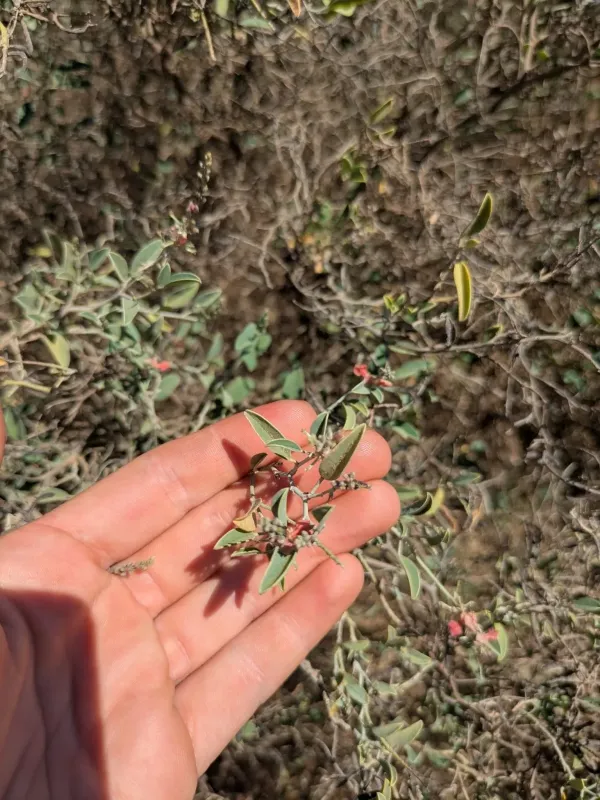
Description
Sowing dates
Indigofera oblongifolia is a hardy perennial shrub belonging to the Fabaceae family, well-adapted to extreme environmental conditions in arid regions.
Planting typically begins at the start of the rainy season to ensure sufficient moisture for seed germination and root establishment.
The seeds often require mechanical or chemical scarification to break their hard seed coat and improve overall germination uniformity.
Direct seeding is the most common practice, though transplanting seedlings raised in nursery conditions can enhance survival rates in difficult terrains.
Spacing requirements vary depending on the intended use, with higher densities preferred for biomass production and soil improvement projects.
Growing requirements
This species thrives in high-light environments and requires full exposure to solar radiation to maximize its metabolic and growth processes.
It is remarkably drought-tolerant, capable of surviving prolonged dry spells through a deep and efficient root system that accesses subsurface water.
The plant prefers sandy, well-drained soils and is known for its ability to grow in saline and low-fertility areas where other crops might fail.
As a nitrogen-fixing legume, it forms symbiotic relationships with rhizobia, significantly contributing to nitrogen enrichment of the surrounding soil.
Proper drainage is essential, as the species is highly susceptible to root diseases caused by waterlogging in heavy, clay-rich soil conditions.
Yield
Biomass production of Indigofera oblongifolia can be substantial when managed with occasional irrigation during the peak growth phases.
Multiple cuttings per season can be achieved under optimal conditions, providing a steady supply of green forage for livestock or organic matter for soil.
The concentration of indigo pigment is sensitive to harvest timing; therefore, specialized harvests are timed to maximize secondary metabolite production.
Seed yields are reliable and consistent, enabling farmers to maintain their own seed stock for subsequent expansion of cultivation areas.
The plant represents a valuable resource for land reclamation, offering ecological benefits alongside its potential as a sustainable raw material source.
Main diseases and pests
Insect pests, particularly caterpillars and various coleopteran species, represent the primary threat by defoliating young shoots during active growth.
Fungal pathogens causing root and crown rot are common in humid conditions or poorly drained soils, potentially reducing the lifespan of the plantation.
Powdery mildew may occur if planting density is too high, preventing proper airflow through the canopy and creating a microclimate favorable for spores.
Integrated pest management, focusing on cultural practices and biological controls, is preferred to maintain the environmental benefits of the legume.
Regular field scouting is recommended to monitor pest populations and ensure timely intervention before economic damage thresholds are exceeded.
Harvesting
Harvesting is primarily conducted by manual or mechanical cutting, ensuring that sufficient stem base is left to promote rapid regrowth.
For dye production, leaves are harvested prior to the flowering stage when the concentration of the precursor indican is at its highest point.
Post-harvest processing involves drying the plant material in well-ventilated, shaded environments to preserve the chemical integrity of the leaves.
Seed collection requires monitoring for full maturity to prevent premature pod shattering, which is a common occurrence in many Fabaceae species.
Stored seeds must be kept in cool, dry conditions to ensure long-term viability and to prevent infestation by seed-boring insects during storage.