
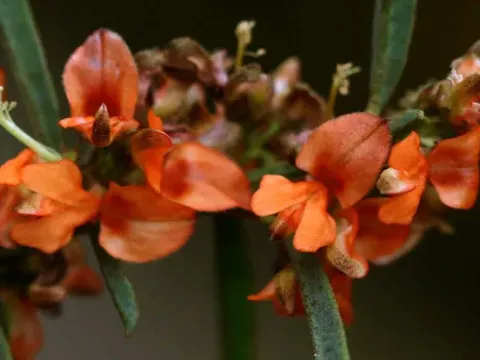
Indigofera paniculata
Indigofera paniculata
Indigofera paniculata belongs to the Fabaceae family and is recognized for its nitrogen-fixing capabilities, which makes it a valuable species for ecological farming. As a perennial crop, it shows potential in rehabilitating degraded agricultural lands.
What the section contains
Indigofera paniculata
Sowing should be conducted during the spring when the soil temperature consistently reaches favorable levels for germination. It is essential to ensure that the seedbed is well-prepared, loose, and free of large clods to facilitate even emergence.
The seeds often require mechanical or chemical scarification to break dormancy and ensure high germination rates. Sowing depth typically ranges from 1.5 to 3 centimeters, depending on the texture and moisture content of the soil.
Depending on the cultivation goals, farmers can choose between dense broadcast seeding or row-based patterns. Row spacing is often adjusted to allow for mechanical weeding and to ensure adequate air circulation between plants.
Early development of the crop requires attention, as seedlings can be slow to establish themselves. Providing proper initial care is essential to ensure a competitive stand that can eventually suppress weeds on its own.
Indigofera paniculata thrives in well-drained, fertile soil, showing a clear preference for sandy loams. The species is highly sensitive to waterlogged conditions, which can lead to root rot and significant stand loss during the growing season.
It is a heat-loving plant that performs best in full sunlight exposure. While it is known for its remarkable drought tolerance, its productivity is significantly higher when seasonal moisture is consistent throughout the vegetative period.
The ideal soil pH for this species falls between 6.0 and 7.5. It does not perform well in highly acidic or saline soils, which can inhibit the activity of the symbiotic bacteria required for nitrogen fixation.
Temperature management is critical; while the plant is resilient, extreme cold during the dormant phase can affect the regrowth capacity. In temperate regions, it is often treated as a seasonal crop rather than a long-lived perennial.
Fertilization with phosphate and potassium can enhance root development and increase the biomass yield. Nitrogen application is generally unnecessary, as the plant fulfills its own requirements through biological fixation.
Pest pressure is a significant factor in cultivating Indigofera paniculata. Aphids and various leaf-feeding insects are the most common pests, which can cause severe damage to the foliage and affect the overall vitality of the crop.
Fungal pathogens such as Fusarium and anthracnose represent the main disease risks. These are often triggered by high humidity levels or poor drainage in the field, leading to wilting and decay of the plant tissues.
Implementing a robust integrated pest management (IPM) strategy, including crop rotation and the use of healthy, disease-free seed, is essential for maintaining a healthy field and minimizing the need for chemical interventions.
Weed management remains critical during the first few weeks after sowing. Once the canopy closes, the crop is generally effective at competing with weeds, reducing the need for continuous mechanical or manual intervention.
Monitoring the field for signs of chlorosis or abnormal growth patterns is recommended to detect nutrient imbalances or early stages of infection before they spread to the entire population.