
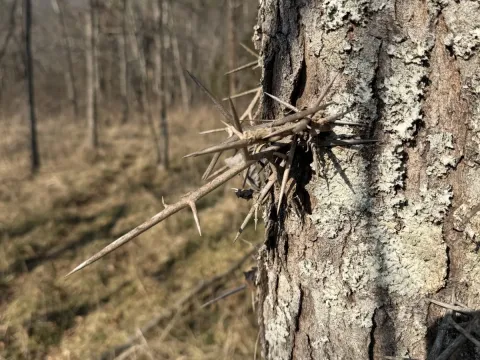
Gleditsia ferox
Gleditsia ferox
Gleditsia ferox, a member of the Fabaceae family, requires careful seed preparation for successful germination. Sowing is typically carried out in spring when soil temperatures reach 12–15 degrees Celsius.
What the section contains
Gleditsia ferox
Due to the hard seed coat, scarification is essential to ensure uniform germination. Seeds are sown in well-prepared beds at a depth of 3 to 5 centimeters.
Planting patterns depend on the intended use, such as windbreaks or shelterbelts, requiring a spacing of 2–3 meters between rows. This allows sufficient light and space for root development.
Growth is slow during the first year, making weed control in row spacing a critical task. Regular cultivation helps improve soil aeration and encourages deeper root penetration.
For better results, soaking seeds in warm water for 24 hours before planting is highly recommended. This practice significantly increases the percentage of emergence in field conditions.
This species is highly drought-tolerant, making it suitable for arid and semi-arid regions. It thrives in well-drained, fertile loams but demonstrates remarkable adaptability to saline soils.
The plant is heliophilic, requiring open and sunny sites for optimal growth. Insufficient sunlight often leads to stunted development and a less dense canopy structure.
Gleditsia ferox exhibits strong resistance to extreme heat and dry winds. However, during the initial establishment phase, young plants require moderate irrigation to ensure survival.
As a legume, it benefits from the presence of nitrogen-fixing bacteria in the soil. This biological capability helps enrich the soil, benefiting the overall ecosystem of the plantation.
With an extensive root system, the tree serves as an excellent stabilizer for slopes and provides long-term protection against wind and water erosion in agricultural landscapes.
Root rot caused by excessive soil moisture is one of the primary threats to young plantations. Ensuring proper drainage is crucial to prevent the development of pathogenic fungi.
Pests such as spider mites may damage the foliage during prolonged hot weather. Integrated pest management, including regular monitoring, is recommended for healthy crop maintenance.
Bark damage can lead to infections, so care should be taken to avoid mechanical injury during agricultural operations. Maintaining the integrity of the trunk is vital for longevity.
Frost may cause damage to young shoots in colder regions. Therefore, selecting sites protected from prevailing cold winds can significantly improve tree survival rates.
Routine sanitation, including the removal of dead or diseased branches, is essential to maintain a healthy plantation and prevent the spread of diseases within the crop.
The agricultural use of Gleditsia ferox includes the production of biomass and high-quality timber. Fruit harvesting typically occurs in late autumn once the pods reach full maturity.
The timber is characterized by its high density and durability, making it valuable for woodworking. Harvesting for wood production is best performed during the winter dormancy period.
Harvesting pods can be done manually or via mechanized equipment in larger plantations. Once collected, the pods must be dried in well-ventilated areas to prevent mold growth.
For windbreak maintenance, sanitary pruning is required to remove damaged limbs. This practice keeps the plantation productive and structurally sound for its intended purpose.
Seed collection for future propagation should focus on healthy, high-yield trees. Proper storage of seeds in a cool, dry place ensures high viability for the next planting season.