
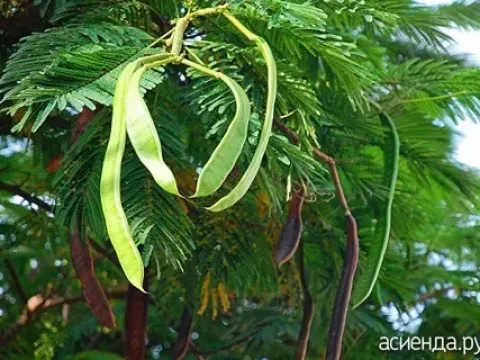
Gleditsia delavayi
Gleditsia delavayi
Gleditsia delavayi is a deciduous tree species within the Fabaceae family, native to the mountainous regions of Southwest China. It thrives in high-altitude forests and exhibits a unique botanical structure typical of the genus Gleditsia.
What the section contains
Gleditsia delavayi
The species requires deep, fertile, and well-drained soil to reach its full development potential. While it can adapt to various soil types, loamy soils rich in organic matter provide the best conditions for root expansion and nutrient uptake.
Sunlight is a critical factor for this tree; it prefers full sun exposure to maintain its vigor and promote healthy foliage growth. In its natural habitat, it is found in light-dappled environments, but cultivation in open areas significantly improves growth rates.
Regarding climate, Gleditsia delavayi is relatively hardy but benefits from protection during the seedling stage. Extreme temperature drops can affect young bark, making mulching and site selection essential for long-term survival in temperate zones.
Watering requirements are moderate. During the establishment phase, consistent moisture is necessary, but once mature, the tree demonstrates high drought tolerance due to its deep taproot system, which accesses subterranean water sources.
The wood of Gleditsia delavayi is highly regarded in specialized forestry for its density, durability, and resistance to decay. It is frequently utilized in high-end carpentry, furniture manufacturing, and construction where longevity is a priority.
The fruit pods are a valuable resource containing saponins, which are utilized in both the cosmetic industry and traditional medicine. The extraction of these compounds provides an additional economic incentive for cultivating the tree.
In landscaping, it serves as a robust ornamental tree, often planted for its distinct aesthetic appeal. Its growth habit and foliage make it an excellent choice for large garden features, parkland avenues, and ecological restoration projects.
The species contributes significantly to soil health through nitrogen fixation. By planting it in agroforestry systems, growers can improve the nitrogen levels of the soil, benefiting surrounding crops and enhancing overall land productivity.
Harvesting timber requires professional management of the plantation. Sustainable pruning and thinning practices are employed to ensure straight, high-quality stems, maximizing the commercial value of the produced wood over long rotation cycles.
The primary threats to Gleditsia delavayi include fungal pathogens that develop in stagnant, humid environments. Root rot and leaf spots are common issues if the soil drainage is insufficient, often leading to stunted growth.
Pests, particularly sap-sucking insects like aphids, can thrive on young, tender shoots. Regular scouting of the canopy during the spring flush is necessary to prevent significant damage and the secondary spread of viral infections.
Mechanical damage to the trunk caused by wildlife or equipment can serve as an entry point for wood-boring insects. Protecting the base of the tree with guards or mesh is a recommended practice in commercial or park settings.
Managing disease often involves strict hygiene practices. This includes the removal and destruction of infected leaf litter and twigs, which helps reduce the inoculum levels for subsequent seasons within the plantation area.
While chemical controls can be effective, sustainable management focuses on biological diversity. Encouraging natural predators, such as ladybugs and parasitic wasps, can help keep pest populations below economic threshold levels without chemical intervention.