
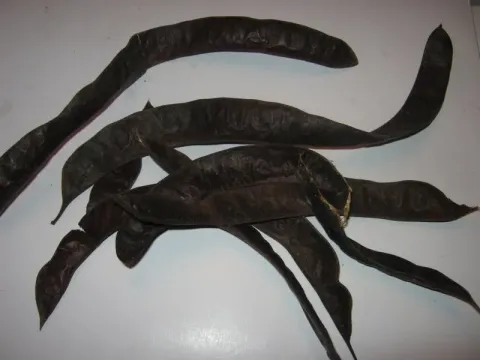
Gleditsia macracantha
Gleditsia macracantha
Propagation of Gleditsia macracantha is primarily achieved through seeds, which require specific preparation before sowing. Due to the very hard seed coat, scarification or hot water treatment is essential to break dormancy and ensure consistent germination rates.
What the section contains
Gleditsia macracantha
Sowing in open ground should be performed in the spring once the soil temperature consistently reaches 10–12 degrees Celsius. Autumn planting is generally risky unless the climate is mild, as young seedlings might suffer from frost damage during their first winter.
Seeds are sown at a depth of 3 to 5 centimeters, depending on the soil structure. A well-drained, loose substrate is preferred to allow the developing root system to penetrate deep into the ground during the initial growth stages.
Initial growth during the first year is typically slow as the plant focuses on establishing a robust root system. Weeding and maintaining optimal soil moisture levels during this period are critical for the survival and health of the saplings.
When transplanting to a permanent location, it is highly recommended to use the ball-and-burlap method to protect the roots. Gleditsia develops a deep taproot, making it sensitive to transplanting shock if the root mass is significantly disturbed.
Gleditsia macracantha, belonging to the Fabaceae family, is a majestic deciduous tree native to the central regions of China. It is recognized for its impressive stature, unique large thorns, and expansive canopy that provides a dense, cooling shade in summer.
This species is highly adaptable to various soil types, though it thrives best in deep, fertile, and well-drained loams. It possesses a notable tolerance for slightly saline soils, which expands its utility in urban forestry and industrial greening projects.
Regarding climate, the tree is exceptionally drought-tolerant once established, making it suitable for regions with limited rainfall. It prefers sunny, open locations and can handle intense heat, which is a major advantage over many other ornamental tree species.
The hardiness of Gleditsia macracantha allows it to withstand moderate frost, although it is best suited for temperate climates. It is relatively unfussy about site conditions, provided there is no long-term waterlogging, which the species does not tolerate well.
Host-plant utility is high, as the species serves as an effective windbreak and a valuable source for pollinators. Its strong wood is also historically noted for its durability, finding application in forestry and land erosion prevention efforts.
Gleditsia macracantha is generally resistant to many common tree pathogens, reducing the need for intensive chemical management. However, occasional outbreaks of powdery mildew may occur in particularly humid and stagnant weather conditions.
Insect pests such as leaf-eating beetles or spider mites may occasionally target the foliage during hot, dry spells. Keeping the trees healthy through proper site selection and adequate spacing usually prevents these pests from reaching harmful population levels.
Stem canker or other fungal issues can occur if the trunk is wounded during maintenance or improper pruning. It is vital to use sharp, sterilized tools and apply pruning sealants to any significant cuts to ensure quick healing and prevent infection.
Root rot is the most serious threat, usually associated with poorly drained, heavy clay soils or persistent water stagnation. Providing proper drainage during planting is the primary preventative measure against this systemic health risk.
Ongoing maintenance is relatively low, focusing mainly on the removal of deadwood and general sanitary measures. With proper site preparation and minimal care, this tree can remain healthy and productive for many decades in the landscape.