
Glaucous vetch
Vicia glauca
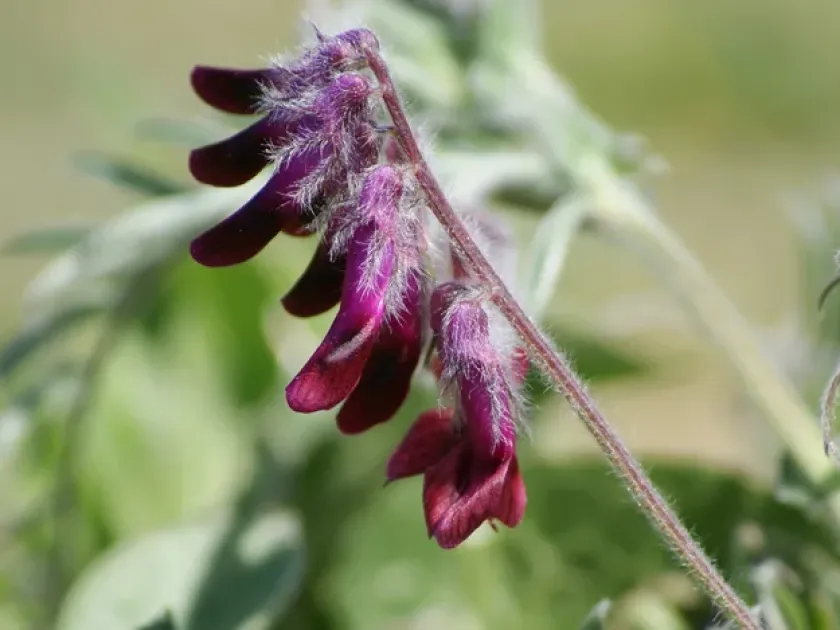
Description
Sowing dates
Glaucous vetch, or Vicia glauca, is a specialized leguminous crop that requires specific conditions for successful establishment. Planting typically takes place in early spring when the soil temperature is sufficient to support consistent germination.
The seeds should be sown at a depth of 3 to 5 centimeters to ensure adequate moisture and protection from surface drying. Row spacing is usually kept narrow to encourage a dense canopy, which helps suppress weed growth during the early stages of development.
In field production, it is common to use this species in a mixture with cereal grasses like barley or oats. This not only provides structural support to the vetch, which has delicate stems, but also improves the nutritional balance of the harvested green biomass.
Seeding rates should be optimized based on soil fertility and the intended use of the crop, whether for hay or direct grazing. Precision seed drills are recommended to ensure uniform distribution and to maximize the establishment of nitrogen-fixing nodules on the roots.
After seeding, light rolling of the soil surface is a beneficial practice. This improves seed-to-soil contact and helps the young plants secure themselves before the onset of drier summer weather patterns.
Growing requirements
Vicia glauca is known for its resilience and ability to grow in varied conditions, including rocky or calcareous soils. It belongs to the Fabaceae family and thrives in well-drained environments, as it is highly sensitive to waterlogged conditions that can cause root decay.
The plant has moderate nutrient requirements but responds positively to phosphorus and potassium fertilization, which are essential for strong root development and high protein content in the foliage. Nitrogen fertilization should be minimized to protect the symbiotic nitrogen-fixing processes.
Climatic requirements involve a preference for temperate zones with adequate sunlight. The plant is cold-hardy, allowing it to withstand early spring fluctuations, but it is best adapted to regions with moderate rainfall during the growing season.
Soil structure is critical for this species; it prefers soils with a neutral or slightly alkaline pH. Proper aeration is essential for the activity of the beneficial bacteria that inhabit the root system and contribute to soil fertility.
Management of competitive vegetation is vital in the first few weeks after emergence. Because the plant grows relatively slowly at the start, keeping the field clear of invasive weeds significantly increases the overall yield potential.
Main diseases and pests
Diseases such as powdery mildew and root rot represent the primary phytosanitary risks for Vicia glauca. These issues are most frequent when planting density is too high or when drainage is inadequate, leading to excessive humidity near the soil surface.
Insect pests, including root-nodule weevils, pose a risk by feeding on the root systems, which can reduce the nitrogen-fixing capacity of the crop. Early monitoring and integrated pest management strategies are essential to keep populations below threshold levels.
Aphid infestations can also affect plant health by weakening the shoots and facilitating the transmission of plant viruses. Control measures should prioritize biological diversity, encouraging natural predators to regulate insect populations.
The use of fungicides or insecticides should be restricted to cases where severe economic loss is expected. Choosing high-quality, pre-treated seeds can help mitigate the risks of fungal diseases during the germination phase.
Proper crop rotation is the most effective preventative measure. By avoiding successive planting on the same site, farmers can significantly reduce the build-up of host-specific pathogens and pests in the soil.