
Glycine cyrtoloba
Glycine cyrtoloba
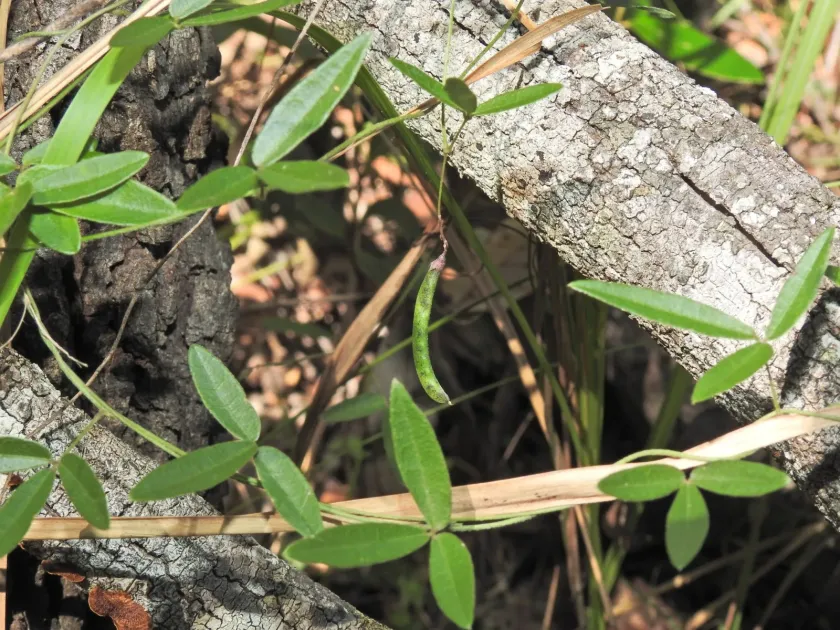
Description
Sowing dates
Glycine cyrtoloba is a perennial herbaceous plant belonging to the Fabaceae family, recognized primarily as a wild relative of the domesticated soybean.
The species is endemic to parts of Australia, adapted to thrive in diverse environmental conditions ranging from coastal regions to semi-arid inland zones.
Botanically, it features a trailing or climbing growth habit with trifoliate leaves, demonstrating complex morphological adaptations to its natural habitat.
The seeds of this species possess a hard seed coat, which is an evolutionary trait that ensures staggered germination in the unpredictable Australian climate.
In agricultural and research settings, sowing is performed under controlled conditions, often requiring scarification to achieve uniform germination rates.
Growing requirements
This crop prefers well-drained, fertile soils with a neutral pH level, avoiding areas prone to waterlogging which can be detrimental to root development.
It exhibits remarkable drought tolerance, making it a critical genetic subject for developing climate-resilient varieties of modern food legumes.
The plant requires high levels of solar radiation and consistent warm temperatures, typically flourishing in climates where temperatures range between 22 and 30 degrees Celsius.
Adequate air circulation is essential, especially when grown in high-density nursery plots to prevent microclimate-induced fungal infections.
Fertilization regimes should be balanced, with a focus on phosphorus to support nitrogen fixation processes common in leguminous species.
Main diseases and pests
Common agricultural pests such as aphids and spider mites frequently colonize the foliage, requiring diligent scouting and potential intervention.
Fungal pathogens like anthracnose or powdery mildew may appear during periods of high humidity, particularly if the plant canopy is too dense.
Virus transmission by insect vectors remains a significant challenge for maintaining pure genetic lines in experimental field trials.
Nematode infestations in the root zone can severely impact plant vigor and limit the overall lifespan of the perennial crop.
- Implementation of Integrated Pest Management (IPM) strategies.
- Proper spacing of plants to enhance airflow and reduce humidity levels.
- Use of protective netting to prevent insect vectors from accessing the crops.