
Gilbertiodendron
Gilbertiodendron
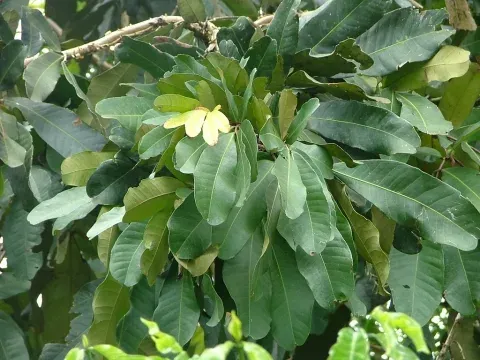
Gilbertiodendron is a prominent genus of tropical trees belonging to the Fabaceae family. These trees are essential members of the primary rainforest ecosystems across equatorial Africa.
What the section contains

Gilbertiodendron
The trees require consistently high temperatures and high humidity levels throughout the year to thrive. They are strictly tropical and cannot survive in environments with cold winters or frost.
Optimal growth occurs in deep, well-drained soils that remain consistently moist. They are often found in areas with high annual precipitation, which is critical for their physiological development.
These trees are known for their ability to form monodominant forests, where they significantly influence the local microclimate and soil composition. Their dense canopy creates a unique environment for other forest-dwelling species.
Cultivation requires careful management, particularly during the seedling stage. Providing sufficient shade and protecting young plants from direct stressors is necessary for successful establishment.
The primary economic output of Gilbertiodendron is its high-quality timber. The wood is valued for its density and durability, making it suitable for specialized construction and carpentry purposes.
Due to the slow growth rate of these trees, timber production is a long-term investment. Sustainable management practices ensure that harvest yields are balanced with the rate of forest regeneration.
Certain species within the genus are also utilized for their seeds, which are rich in starch. These seeds are a traditional food source for local indigenous populations in the Congo Basin.
The yield of seeds and fruit is cyclical, often depending on environmental triggers and the specific maturity of the tree stands. Sustainable harvesting of these non-timber forest products supports local economies.
Modern forestry aims to optimize yield by monitoring tree health and promoting natural regeneration through selective logging techniques that minimize impact on the surrounding vegetation.
Deforestation and land conversion for agriculture represent the most significant threat to the survival of Gilbertiodendron populations. Fragmentation of the forest leads to habitat loss and reduced genetic diversity.
The trees are susceptible to various fungal diseases that target the bark and root systems in humid conditions. Such infections can weaken the structure of the tree, rendering it susceptible to secondary pests.
Insect pests, including various wood-boring beetles, can cause extensive damage to both standing trees and harvested timber. These insects exploit stressed trees, further complicating silvicultural efforts.
Climate change, specifically the lengthening of dry seasons, poses a threat to sapling recruitment. Prolonged lack of soil moisture limits the growth and survival of the next generation of trees.
- Fungal pathogens causing root and stem rot.
- Wood-boring insect infestations.
- Competition from invasive plant species in disturbed areas.
- Reduced forest resilience due to anthropogenic activity.