
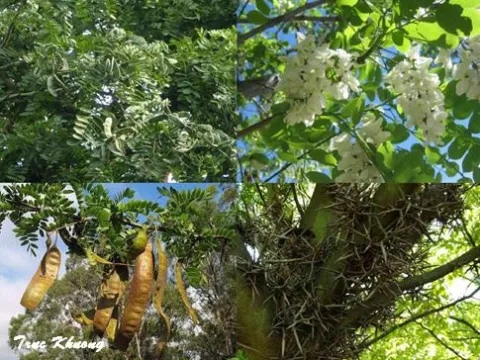
Gleditsia australis
Gleditsia australis
Sowing seeds of Gleditsia australis requires careful preparation due to the hard seed coat. Scarification or soaking the seeds in hot water for several hours is essential to trigger germination and ensure high emergence rates.
What the section contains
Gleditsia australis
The ideal time for sowing is during the spring months once the soil temperature has stabilized. Seeds should be placed at a depth of 3 to 5 centimeters in well-drained, nutrient-rich nursery soil to facilitate healthy early growth.
Vegetative propagation via cuttings is another viable method, usually conducted in late spring or early summer. Using rooting hormones significantly increases the success rate of shoot development in greenhouse conditions.
Young seedlings require consistent moisture levels during the initial stages of development. Once the primary root system is established, the plants become increasingly drought-tolerant and less dependent on artificial irrigation.
Transplanting into the field is typically performed after one or two years of nursery care. Ensuring adequate spacing between plants is crucial to prevent competition for light and soil resources in later years.
Gleditsia australis is a robust member of the Fabaceae family, well-known for its adaptation to diverse environments. It thrives in full sun exposure, which is necessary for optimal development and canopy growth.
The species demonstrates excellent tolerance to soil salinity and compacted grounds. This resilience makes it an ideal candidate for reforestation projects in challenging agricultural or degraded landscapes.
While it prefers fertile loamy soils, the tree is capable of growing in various soil types, including sandy substrates. Proper drainage is necessary to prevent root diseases associated with waterlogged conditions.
The plant is highly adaptable to varied climatic conditions, demonstrating significant resistance to both high heat and moderate frosts. However, wind protection is advised during the first few seasons of field growth.
Agricultural management should prioritize weed control to eliminate resource competition. Periodic fertilization with potassium and phosphorus helps improve the tree's overall structure and winter hardiness.
Gleditsia australis serves a vital role in soil conservation by preventing wind and water erosion. Its deep root system effectively anchors slopes and helps maintain soil stability in field borders.
The wood harvested from this species is valued for its density, durability, and rich texture, making it an excellent resource for high-quality furniture, flooring, and exterior construction.
As a significant honey-producing plant, it plays an important role in supporting pollinator populations. Beekeepers value the species for its nectar-rich flowers that bloom during periods of pollen scarcity.
The biomass generated by this species can be integrated into sustainable land management practices. Its capacity to fix atmospheric nitrogen contributes to soil fertility, benefiting neighboring crops.
The aesthetic value and ecological benefits of Gleditsia australis make it a multi-purpose asset in agroforestry systems, contributing to both economic and environmental stability.
Typical threats include various defoliating insects that target the canopy and can diminish the vitality of young trees if populations are left unchecked.
Fungal pathogens such as leaf spot may occur, particularly in plantations with limited airflow or excessive moisture levels, necessitating targeted chemical control.
Mechanical damage to the bark must be minimized to prevent the entry of wood-decay fungi, which can hollow out the trunk and reduce the structural integrity of the tree.
Integrated Pest Management (IPM) practices, including the use of targeted biological or chemical agents, are recommended to maintain tree health throughout the growing season.
- Routine inspection of leaves and stems for signs of infestation
- Application of fungicides at the first sign of foliage discoloration
- Pruning of infected or dead branches to ensure plant hygiene