
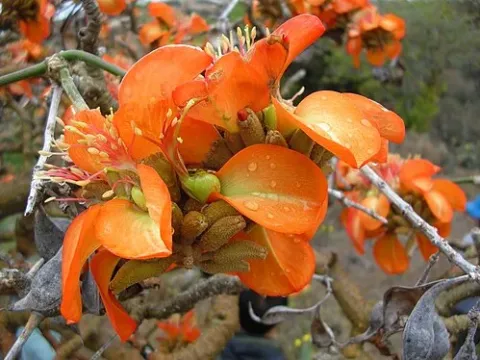
Erythrina breviflora
Erythrina breviflora
Erythrina breviflora is a woody plant belonging to the Fabaceae family, native to the arid and semi-arid regions of Mexico. It is recognized for its unique, short inflorescences that distinguish it from other species within the genus.
What the section contains
Erythrina breviflora
The culture thrives in well-drained, sandy soils that mimic its natural habitat. It is highly intolerant to waterlogging, which often leads to the rapid decay of the taproot system, making site selection critical for successful planting.
Temperature management is crucial, as the species requires high exposure to sunlight to bloom effectively. While it is adapted to dry cycles, supplemental irrigation is necessary during the initial establishment phase to encourage deep root development.
Agrotechnical practices involve pruning to maintain shape and promote airflow within the canopy. Regular fertilization with low-nitrogen, high-phosphorus blends can enhance the development of the iconic red flowers during the growing season.
Beyond its ornamental use, Erythrina breviflora serves as a significant ecological component, providing habitat and nectar for various bird and insect species. Its resilience to drought makes it an interesting candidate for xeriscaping projects in compatible climates.
The plant is susceptible to common pests such as spider mites, particularly during periods of low humidity and high heat. Infestations manifest as yellowing of the leaves and can lead to premature defoliation if left untreated.
Root rot, often caused by pathogenic fungi such as Phytophthora, remains the primary threat to the long-term viability of the plant. Ensuring excellent soil structure and avoiding excessive watering are essential preventative measures.
Leaf-chewing insects can damage the foliage, negatively impacting the plant's ability to photosynthesize effectively. Integrated pest management strategies, including the use of neem oil or targeted insecticides, are often employed.
Scale insects can attach themselves to the stems and branches, causing localized necrosis. Periodic inspection of the trunk and branches is necessary to remove clusters of these pests before they spread extensively.
Environmental stress, specifically improper soil pH levels, can lead to nutrient deficiencies appearing as chlorosis. Soil testing and balanced amendment applications are recommended to maintain optimal plant vigor throughout the growing cycle.