
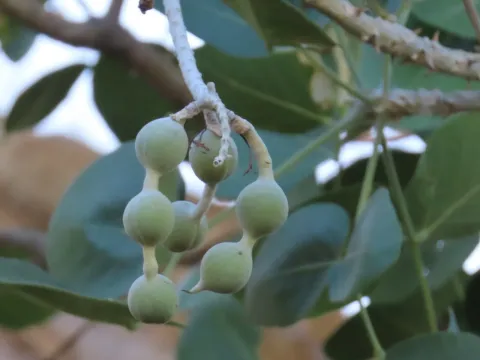
Erythrina decora
Erythrina decora
Erythrina decora is a striking member of the Fabaceae family, native to the arid landscapes of Namibia and Angola. Known for its resilience, this deciduous tree has evolved specific survival mechanisms to thrive in high-temperature, low-moisture environments.
What the section contains
Erythrina decora
Cultivation of this species requires sites with full solar exposure. It is crucial to plant it in well-draining soil, as the root system is highly susceptible to rot if exposed to persistent moisture. Sandy or rocky soils are ideal for mimicking its natural habitat.
Temperature management is the primary challenge for growers in temperate regions. Being a frost-sensitive plant, Erythrina decora must be kept in greenhouses or large containers that can be moved indoors during colder months to prevent cold damage.
The plant requires a distinct dormant phase. During the dry season, or winter months for container plants, watering should be significantly reduced. This rest period is a biological requirement that triggers the development of its signature vivid inflorescences.
Nutritional needs are modest; a balanced fertilizer applied sparingly during the active growth phase is sufficient. Avoid high-nitrogen feeds, as they promote excessive leaf development at the expense of the tree's attractive flowering patterns.
Root rot is the most significant threat to the plant's health, typically resulting from poor soil aeration or excessive watering. Ensuring proper drainage is the most effective preventative measure for long-term survival.
Pests such as spider mites and scale insects are common when Erythrina decora is grown indoors or in greenhouse conditions with low humidity. Regular inspection of the undersides of the leaves is recommended to detect early infestations.
Integrated pest management, including the use of systemic insecticides or biological controls, is effective against sap-sucking insects. It is important to treat the plant at the first sign of activity to prevent spread.
Fungal infections, primarily powdery mildew, can occur when ventilation is poor. Maintaining adequate airflow around the branches and avoiding overhead watering helps to mitigate the development of such leaf pathogens.
While the tree is biologically adapted to harsh environmental conditions, stress from improper container maintenance can weaken its natural resistance, making it more susceptible to opportunistic secondary infections.