
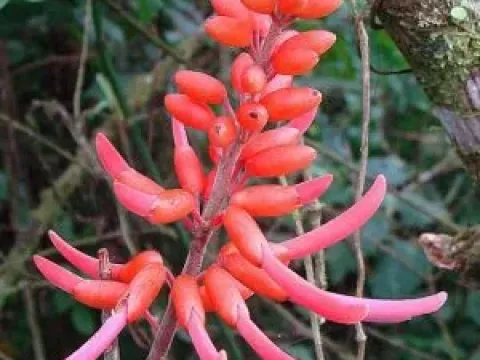
Erythrina chiriquensis
Erythrina chiriquensis
Erythrina chiriquensis is a notable species within the Fabaceae family, native to the high-altitude regions of Central America. This tree is highly valued for its rapid growth rate and its significant ecological role in improving soil quality through atmospheric nitrogen fixation.
What the section contains
Erythrina chiriquensis
Cultivation requires well-drained, fertile soil, as the tree thrives in areas with consistent moisture levels. While it adapts to various soil types, it performs best in environments where aeration is sufficient to prevent root rot during the intense tropical rainy seasons.
The tree demonstrates excellent resilience in mountainous climates, enduring variations in temperature while maintaining steady growth. Its structural characteristics make it a prime candidate for windbreaks and living fences that protect secondary crops in agroforestry systems.
Agricultural management is relatively straightforward, requiring periodic pruning to maintain a manageable structure and to maximize the production of organic mulch. The biomass derived from regular pruning is nutrient-rich and contributes significantly to the sustainability of nearby coffee or cacao plantations.
Economically, Erythrina chiriquensis serves as a multipurpose resource. It provides essential shade for shade-grown crops and can also be integrated into animal husbandry as a supplementary forage source due to the protein-dense foliage, which helps improve livestock diet quality.
Like many Erythrina species, this tree is susceptible to specific insect pests, including leaf miners and stem borers, which can compromise plant vigor. Integrated pest management practices are recommended to reduce reliance on chemical interventions.
Root pathogens and fungal infections are the primary disease threats, especially in waterlogged conditions or poorly ventilated nursery environments. Ensuring adequate drainage and maintaining optimal tree spacing are the most effective strategies for preventing widespread plant loss.