
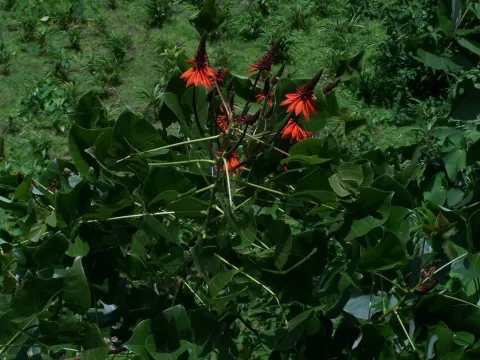
Erythrina arborescens
Erythrina arborescens
Erythrina arborescens is a notable species within the Fabaceae family. This woody perennial is celebrated for its structural beauty and vibrant, specialized inflorescences that distinguish it from other legume trees.
What the section contains
Erythrina arborescens
Originating from the mountainous regions of the Himalayas and parts of Southeast Asia, this tree has evolved to thrive in high-altitude environments characterized by distinct seasonal moisture patterns.
In terms of soil requirements, the species demands deep, well-draining soil profiles. It is intolerant of waterlogged conditions, which can lead to rapid root degradation in young specimens during the rainy season.
Climate adaptation is a critical factor for successful growth. While it prefers warm temperatures, its natural mountain origin allows it to handle cooler nights better than many other tropical Erythrina species.
Agrotechnical maintenance includes pruning to shape the canopy and remove dead wood, which stimulates secondary flowering. Proper light management is essential, as the species requires full sun to maintain vigorous growth.
Spider mites are the most common pest observed, particularly in climates with low ambient humidity. Integrated pest management strategies should include regular misting and the application of neem-based solutions.
Fungal pathogens targeting the vascular system are a significant threat. Ensuring that the planting site has sufficient air circulation and preventing excessive mulch accumulation around the trunk are standard protective measures.
The primary utility of Erythrina arborescens is in horticultural display and arboretum collections. It serves as an important ornamental resource in regions with suitable climate zones.
Research applications of this species are growing, as phytochemical investigations explore the bioactive properties of its seeds and bark for potential use in botanical chemistry and medicinal applications.
While not a traditional broad-acre crop, its role in agroforestry is being evaluated for its ability to fix nitrogen in impoverished soils, potentially improving the yield of neighboring plantings in permaculture systems.