
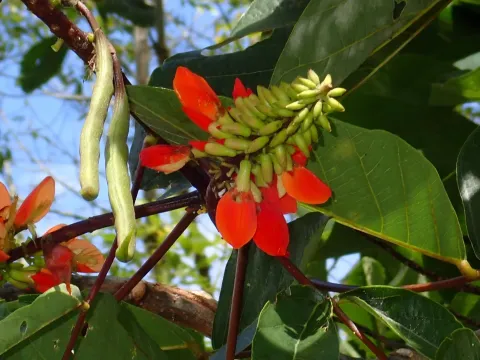
Erythrina esculenta
Erythrina esculenta
Erythrina esculenta is a perennial woody plant species belonging to the Fabaceae family. This tree is characterized by a strong root system and is widely recognized for its agricultural versatility in tropical regions.
What the section contains
Erythrina esculenta
The crop thrives in tropical and subtropical climates, requiring consistently warm temperatures. It is highly sensitive to frost, which limits its commercial cultivation to frost-free environments with high humidity levels.
Ideal soil conditions for this tree include well-drained, fertile soils with a neutral pH. Proper drainage is essential to prevent root diseases while allowing the tree to establish its deep root structure.
As a light-demanding species, Erythrina esculenta performs best in full sunlight, which promotes vigorous branch growth and successful flower development during the dry season.
In many agricultural systems, this plant is used for agroforestry due to its nitrogen-fixing capabilities, which naturally enhance soil fertility and benefit neighboring crops.
The primary yield consists of edible flowers and seeds. The blooming season usually occurs when the tree sheds its leaves, allowing for efficient harvesting of the highly nutritious blossoms.
Productivity is influenced by tree age, water availability, and general plantation management. With correct spacing and maintenance, a single tree can yield substantial quantities of protein-rich plant material.
Harvested parts must undergo thermal processing to neutralize naturally occurring alkaloids, ensuring that the food product is safe and palatable for human or animal consumption.
Beyond human consumption, the plant serves as a valuable forage crop, providing a consistent supply of nutrients in regions where other fodder sources might be seasonal.
Consistent yield depends on sustaining soil moisture during the pre-blooming phase and protecting the trees from environmental stress during their formative years.
The main threats to Erythrina esculenta include specific legume-attacking pests, such as weevils that damage the pods and seeds, potentially impacting the final harvest quality.
Fungal pathogens associated with excessive humidity and poor air circulation can cause root rot or trunk infections. Maintaining clear spaces between trees is a key management strategy.
Integrated Pest Management (IPM) is highly recommended, involving the use of pruning to improve airflow and biological controls to keep pest populations below economic thresholds.
Young plants are particularly vulnerable to sucking insects and leaf-miners, which necessitate regular monitoring during the early stages of establishment.
Nematode infestations may occur in sandy soils, making pre-planting soil analysis and the selection of healthy rootstocks critical for long-term plantation success.