
Eperua rubiginosa
Eperua rubiginosa
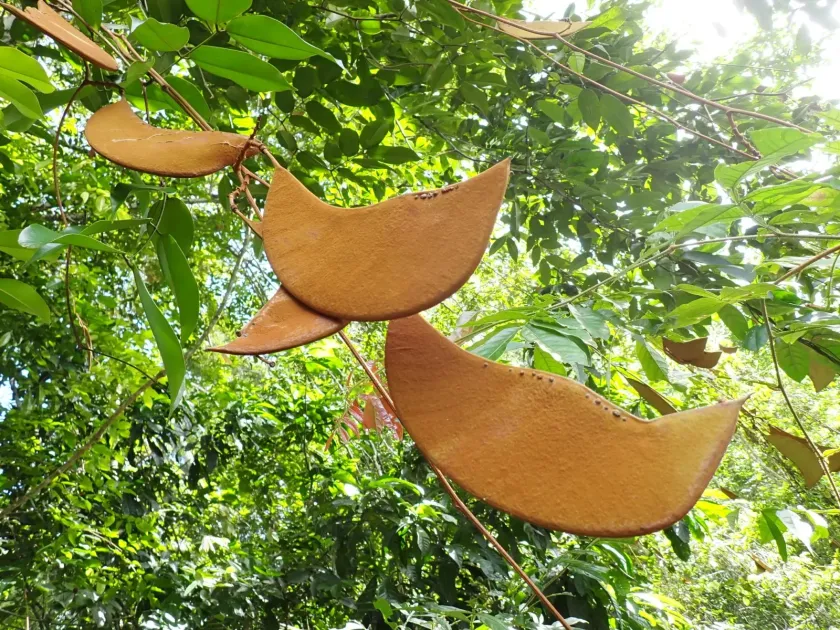
Description
Growing requirements
Eperua rubiginosa is a notable species belonging to the Fabaceae family, native to the tropical rainforests of South America. It thrives in high-humidity environments and is typically found in lowland tropical areas and riverine zones.
The plant requires consistently warm temperatures throughout the year to maintain its biological processes. Exposure to cold or frost will result in irreversible damage to the vascular system and plant tissue, making it unsuitable for non-tropical climates.
Soil requirements for this culture include acidic, well-drained, and nutrient-rich media. It is highly sensitive to soil compaction, which restricts oxygen access to the root zone and inhibits the growth of mycorrhizal associations necessary for the tree's health.
Management of the species involves ensuring adequate water availability, as the plant does not tolerate prolonged drought stress. In controlled forestry settings, irrigation systems are often necessary to mimic the natural rainfall patterns of the rainforest.
The economic value of Eperua rubiginosa lies primarily in its high-quality timber, which is valued for its durability and resistance to biological decay. Sustainable harvesting practices are essential to balance economic yields with the preservation of natural resources.
Main diseases and pests
The primary threats to Eperua rubiginosa include fungal pathogens that exploit high-moisture conditions to infect the roots and stem. Proper ventilation and site management are crucial to prevent the proliferation of these pathogens in dense stands.
Insects, particularly wood-boring beetles, pose a continuous threat to the structural integrity of mature trees. Monitoring and integrated pest management strategies are vital for maintaining the productivity of commercial timber plantations.
Weed competition during the establishment phase is a significant limiting factor for growth rates. Intensive site preparation and systematic weeding are required to ensure that saplings receive sufficient sunlight and nutrients.
Anthropogenic disturbances, such as habitat fragmentation and logging, remain the most critical threats to the species' long-term survival in the wild. Protection of existing forest stands is necessary to maintain genetic variability.
Climate change and subsequent shifts in weather patterns can disrupt the flowering and seeding cycles of the trees. Reduced reproductive success leads to difficulties in natural regeneration and long-term viability of new plantations.