
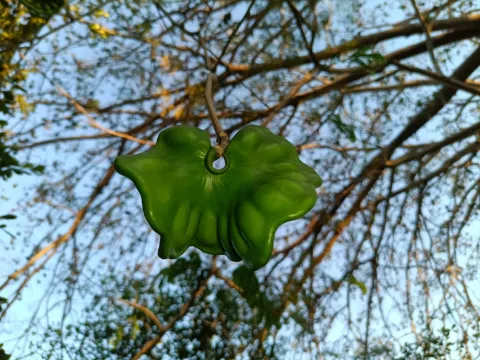
Enterolobium
Enterolobium
Enterolobium is a genus of large trees belonging to the Fabaceae family. Native to tropical regions of the Americas, these trees are recognized for their distinct umbrella-shaped canopy and massive growth potential in tropical climates.
What the section contains

Enterolobium
Biologically, these trees are known for their bipinnate leaves and their ability to form symbiotic relationships with nitrogen-fixing bacteria. This biological feature significantly improves soil fertility in plantations where they are cultivated.
Climate requirements include high annual temperatures without frost exposure, as Enterolobium is highly sensitive to cold. The optimal climate is characterized by distinct wet and dry seasons which regulate the tree's growth cycles.
Regarding soil preferences, the species thrives in well-drained, nutrient-rich soils. While they are adaptable to various soil types, they absolutely require deep soil profiles to accommodate their extensive root systems and prevent waterlogging.
Agricultural use focuses primarily on timber production, as the wood is lightweight, durable, and prized for fine furniture manufacturing. Furthermore, they are frequently integrated into agroforestry systems as shade trees for coffee and cocoa plantations.
Enterolobium is susceptible to various defoliating caterpillars that can significantly reduce leaf area and hinder photosynthesis if not managed in time.
Root rot, often caused by poor drainage and excessive irrigation, remains one of the primary threats to the longevity of these trees in commercial plantations.
Fungal diseases such as leaf spots can appear under humid conditions, requiring regular monitoring and, in severe cases, the application of targeted fungicides.
Insects like wood-boring beetles can affect mature trees, causing structural damage to the trunk and diminishing the overall market value of the harvested timber.
Effective management strategies include maintaining proper spacing between trees to ensure optimal airflow and conducting regular health assessments of the canopy and bark.