
Eperua grandiflora
Eperua grandiflora
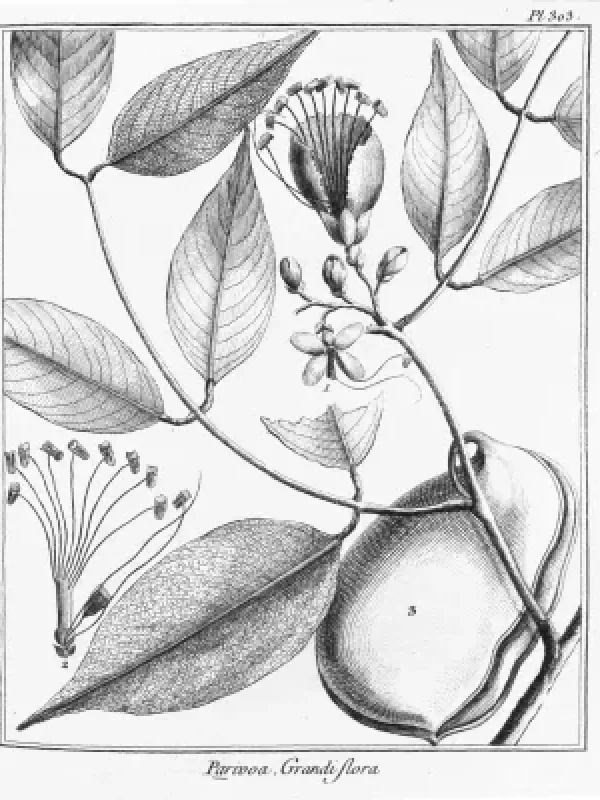
Description
Growing requirements
Eperua grandiflora is a distinct tree species belonging to the legume family, Fabaceae. Originating from the tropical rainforests of South America, particularly the Amazon basin and the Guiana Shield, this plant is well-adapted to high-humidity environments.
The climate requirements for this species include consistently warm temperatures and high levels of annual rainfall. It thrives in locations that replicate the canopy or sub-canopy conditions of a tropical rainforest, protected from direct harsh winds.
Botanically, the species is renowned for its large, pendulous inflorescences that hang from long, flexible stalks. Its foliage consists of dense, pinnate leaves that possess a waxy cuticle, allowing the tree to withstand frequent rainfall and high ambient humidity levels.
Soil requirements focus on acidic to neutral, well-draining substrates rich in organic matter. Proper soil structure is essential for the healthy development of its root system, and the species is highly sensitive to waterlogging, which can cause oxygen deprivation.
In terms of agricultural and horticultural use, Eperua grandiflora is primarily valued as an ornamental specimen in tropical botanical gardens. Its wood is also utilized for local woodworking due to its notable density and structural durability.
Main diseases and pests
The primary threats to this species include fungal infections, which are often exacerbated by poor air circulation and excessive moisture around the root zone. Regular monitoring of the bark and root collars is recommended for early detection.
Tropical leaf-eating insects are among the most common pests affecting the foliage. Integrated pest management strategies that favor natural predators are effective in controlling these populations without harming the ecosystem.
Environmental threats also include habitat fragmentation due to deforestation, which limits the natural dispersal of seeds. Maintaining biodiversity in surrounding areas is crucial for the health of individual specimens.
Nutrient imbalances in the soil can lead to stunted growth or chlorosis. It is vital to use organic fertilizers that are formulated for tropical leguminous trees to prevent chemical stress on the roots.
Mechanical damage from small tropical mammals or rodents can occur, particularly in younger trees. Protective fencing or trunk wraps can be used as a simple and effective measure to prevent such damage during the establishment phase.