
Eperua bijuga
Eperua bijuga
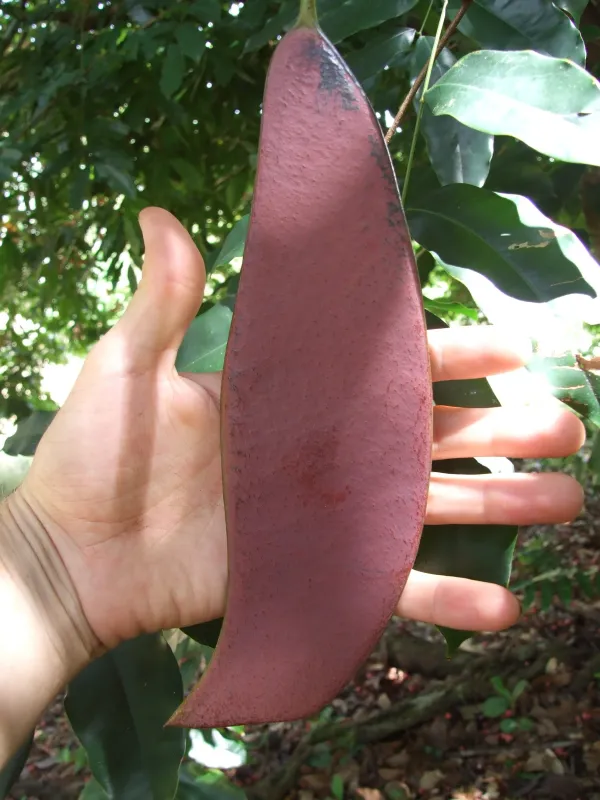
Description
Growing requirements
Eperua bijuga is a distinctive species of tree belonging to the Fabaceae family, specifically the subfamily Caesalpinioideae. Native to the tropical rainforests of the Amazon basin, it thrives in warm, humid environments where moisture is abundant throughout the year.
The tree requires a tropical climate with consistent temperatures and high annual rainfall. It is naturally adapted to alluvial soils and periodically flooded areas, making it a specialized component of riparian ecosystems in its native range.
Cultivation of this species depends on maintaining the soil moisture balance. While the tree can tolerate temporary waterlogging, it performs best in soils that are rich in organic matter and possess good structure, mirroring its wild habitat.
Botanically, Eperua bijuga is noted for its leathery foliage and unique floral structures. Its growth habit is typically slow to moderate, resulting in the development of dense, high-quality heartwood that is highly valued in local timber markets.
From a commercial perspective, this species is utilized for high-durability construction and tool manufacturing. Its presence in the ecosystem is also vital for soil retention and supporting the complex biodiversity of tropical regions.
Main diseases and pests
Pathogenic fungi represent a primary threat to Eperua bijuga, especially in regions with stagnant water or poor air circulation within the forest canopy. These infections can compromise the structural integrity of the timber.
Various wood-boring insects are known to affect the trunks of trees that are stressed by environmental changes. Prevention requires active forest management and the removal of highly susceptible specimens to protect the rest of the stand.
Deforestation and habitat fragmentation are significant anthropogenic threats that hinder the natural regeneration of the species. As the forest area shrinks, the potential for genetic diversity within the population also declines.
Invasive plant species can outcompete young saplings for resources such as sunlight and soil nutrients. Effective management strategies must include clearing competition around juvenile trees to ensure successful establishment.
Regular phytosanitary inspections are necessary to detect early signs of infestation or disease. By maintaining optimal stand density and health, forest managers can mitigate these risks effectively.