
Eperua purpurea
Eperua purpurea
Description
Growing requirements
Eperua purpurea is a prominent evergreen tree species belonging to the Fabaceae family, specifically the Caesalpinioideae subfamily. It is native to the northern parts of South America, primarily within the Amazon basin and along the Rio Negro river system.
The species thrives exclusively in tropical environments characterized by high humidity and consistent temperatures throughout the year. It displays a strong preference for deep, acidic, and well-drained soils, often thriving in riparian habitats that benefit from periodic fluvial nutrient deposition.
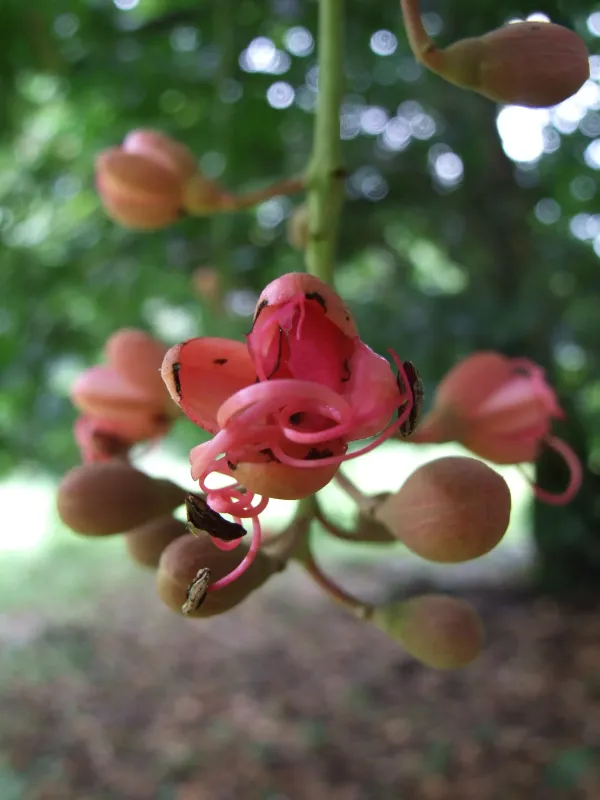
Botanically, the tree is noted for its distinctive pendulous inflorescences bearing intense purple flowers, which serve as its primary identifier. The foliage consists of pinnately compound leaves that allow the plant to optimize light capture under the canopy layer of dense tropical rainforests.
Regarding cultivation, Eperua purpurea is not considered an agricultural crop in the traditional sense. Its slow growth rate and strict environmental requirements make it unsuitable for commercial plantation farming, and it is largely managed through sustainable forestry practices within its native range.
The wood of this species is highly valued for its physical properties, including significant hardness and natural durability. It is frequently utilized in local construction and for specialized artisanal projects due to its resilience against environmental decay factors such as moisture and biological pests.