
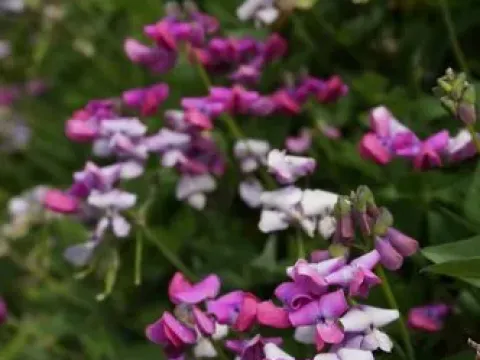
Dipogon
Dipogon
Dipogon is typically sown when the soil temperature has reached a stable level, well above the danger of late frost. Being a heat-loving crop, it requires a frost-free window to ensure consistent germination and initial seedling vigor.
What the section contains
Dipogon
Pre-soaking seeds in warm water for several hours can significantly improve the speed and uniformity of germination. Seeds are generally sown at a depth of 3–5 centimeters depending on soil moisture levels.
Proper spacing between plants is essential to allow for the aggressive vining habit of the species. Crowded planting conditions often lead to reduced airflow, which increases the susceptibility to various diseases.
In commercial agriculture, the use of vertical trellises is common practice to support the twining stems. This method maximizes light interception and facilitates easier harvest management.
The timing of sowing should be aligned with the local wet season to utilize natural rainfall patterns. Adequate soil preparation, including loosening the top layer, is crucial for early root establishment.
Dipogon thrives in well-drained, fertile loamy soils with a pH ranging from neutral to slightly acidic. Waterlogged conditions must be avoided as they inhibit nitrogen fixation and cause root rot.
The crop demands full sunlight to achieve optimal yields and vigorous vegetative growth. Any level of shading will result in stunted development and a decrease in the number of pods produced.
While mature plants show some resilience to dry periods, consistent moisture is mandatory during the critical flowering and pod-filling stages. Lack of water at these stages leads to flower abortion.
As a legume, Dipogon forms symbiotic relationships with rhizobia bacteria, enabling nitrogen fixation. This natural process reduces the dependency on synthetic nitrogen fertilizers, making it a sustainable choice.
Temperature fluctuations are a major factor in plant stress. An ideal growth environment consists of temperatures between +20°C and +30°C for the duration of the active growth cycle.
The total yield of Dipogon is highly dependent on environmental stability and nutrient availability. High levels of phosphorus and potassium are key to promoting robust pod development.
As a forage crop, Dipogon is valued for its high crude protein content in the foliage. It can be harvested multiple times throughout the season if conditions allow for vegetative regrowth.
The timeframe to reach harvest maturity varies based on climatic conditions but generally spans between 80 to 110 days. Short-duration cultivars are preferred for integration into intensive rotation systems.
Seed size and quality are influenced by the nutrition supplied during the generative stage. Proper irrigation management during the grain-filling period can significantly boost the weight of the harvest.
Technological improvements in harvesting equipment help to reduce field losses. Maximizing efficiency requires selecting cultivars that exhibit uniform pod maturity across the field.
Root rot caused by pathogenic fungi is the most serious threat, especially in soils with poor drainage. Once established, it can wipe out large sections of a crop, making prevention the best strategy.
Common agricultural pests include various species of aphids and beetle larvae that target the seeds. Integrated Pest Management (IPM) strategies, including biological controls, are highly recommended.
Foliage-feeding insects can cause extensive damage to the photosynthetic area. Regular field scouting is necessary to identify infestations early before they reach an economic damage threshold.
Powdery mildew may appear under high humidity and poor ventilation. Keeping plant density at recommended levels and maintaining good air circulation are vital prophylactic measures.
- Routine field sanitation and removal of debris
- Application of certified disease-free seed
- Crop rotation with non-legume species
Harvesting for grain commences when the pods have turned brown and reached a brittle texture. It is crucial to perform the harvest before significant shattering occurs to prevent losses in the field.
For forage, harvesting should occur during the pre-flowering or early-flowering stage to ensure the highest biomass quality. At this point, the stems remain tender and high in nutrients.
Post-harvest drying is essential to reduce seed moisture to safe storage levels, typically below 14%. Proper ventilation in storage facilities prevents the development of storage molds and mycotoxins.
Machinery used for grain harvest must be carefully calibrated to avoid cracking the seed coat. Minimal mechanical damage is vital for maintaining high germination rates for future planting.
Integrating crop residues into the soil after harvest provides an excellent source of organic matter. This practice improves soil structure and sustains the nitrogen levels for the next crop cycle.