
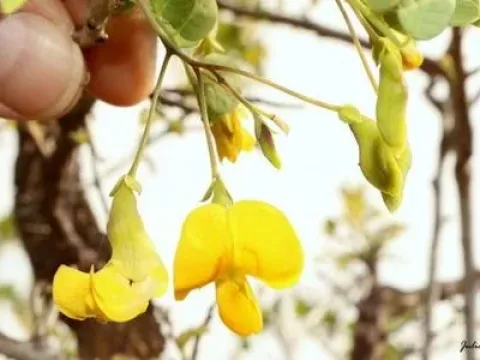
Diphysa
Diphysa
Diphysa is a genus of flowering plants in the legume family, Fabaceae. These plants are native to the tropical and subtropical regions of the Americas, where they are found in diverse habitats ranging from dry forests to transitional woodlands.
What the section contains


Diphysa
Cultivation requirements for Diphysa focus primarily on well-draining soil and ample sunlight. As typical of many tropical legumes, these plants thrive in exposed areas where they receive full solar radiation, which is essential for their photosynthetic activity and vigorous growth.
Regarding climate, Diphysa species are adapted to warm environments and are generally sensitive to heavy frost. They handle seasonal drought well, utilizing their physiological mechanisms to maintain structural integrity during the dry months of the year in their native range.
Botanically, the genus is distinguished by its pinnately compound leaves and papilionaceous flowers that are usually yellow. The fruit is a distinctive inflated pod, providing the plant with its scientific name, and serves as an efficient mechanism for seed dispersal.
Economically, Diphysa is highly valued for its dense, durable wood, which has a variety of traditional uses. Furthermore, as a nitrogen-fixing legume, it is frequently used in agroforestry projects to improve soil quality and restore fertility in degraded areas.
The primary threats to Diphysa plantations are soil-borne pathogens, particularly fungi that cause root rot. These issues are almost exclusively linked to poor drainage or waterlogging, which compromises the root health and overall stability of the plants.
Leaf-feeding insects can occasionally cause damage to foliage, especially during the peak growing season. While these infestations rarely kill mature trees, they can stunt growth in younger specimens if left untreated for extended periods of time.
Weed competition represents a significant challenge during the establishment phase. Rapidly growing grasses and herbaceous plants can outcompete young Diphysa seedlings for light and nutrients, necessitating regular weeding and mulch application.
Viral infections transmitted by aphid vectors pose a risk in some regions. Maintaining proper plant health through adequate nutrition and irrigation is the best defense, as strong, vigorous plants are more resistant to viral proliferation.
To ensure plantation health, producers should practice periodic field inspections and remove any debris that could harbor pests. Maintaining a clean growing environment is key to minimizing the use of chemical pesticides in Diphysa cultivation.