
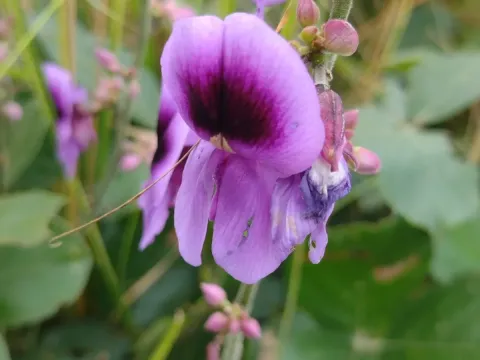
Dioclea
Dioclea
Sowing of Dioclea is typically performed at the beginning of the rainy season when the soil is warm and adequately moist. The ideal planting window is between April and May, allowing the crop to establish roots before heavy rains begin.
What the section contains


Dioclea
Seeds should be planted at a depth of 3–5 cm, depending on soil texture. Proper plant density is essential, as the crop is known for its vigorous vining habit and rapid spread.
When used as a cover crop or green manure, row planting with 40–60 cm spacing is recommended. This setup allows the crop to quickly form a thick, protective layer over the soil surface.
Seed scarification may be beneficial to enhance germination rates, as the seed coat of many species within this genus is notably hard and water-impermeable.
Temperatures must remain stable at 22–25 degrees Celsius for optimal germination, as the plant is highly sensitive to cold soil temperatures during the initial growth stages.
Dioclea is a genus within the Fabaceae family, consisting primarily of climbing herbaceous plants or lianas. It is highly valued in agriculture for its ability to form symbiotic relationships with nitrogen-fixing bacteria.
The crop thrives in well-drained loamy or sandy soils. It shows remarkable tolerance to acidic soil conditions, making it an excellent choice for rehabilitating degraded tropical lands.
Abundant sunlight is required for healthy development. While Dioclea can tolerate partial shade, the highest biomass yield is consistently achieved under full sun exposure.
Moisture availability is crucial for this genus. Although the plants may exhibit some resilience during brief dry spells once established, they perform best under consistent moisture levels during the active vegetative growth phase.
Soil pH levels ranging from 5.5 to 7.0 are optimal. Adequate soil phosphorus content is essential to support the metabolic demands of the nitrogen-fixing nodules.
Biomass production typically ranges from 15 to 30 tons per hectare, depending on soil fertility and rainfall patterns. Its nitrogen-fixing properties significantly improve soil structure over successive seasons.
When harvested for hay, dry matter yields can reach 4–7 tons per hectare. Its nutritional value is comparable to other common tropical forage legumes, providing high-quality feed for livestock.
Seed harvesting requires precision, as the pods are prone to shattering upon reaching maturity. Yield is highly dependent on pollinator activity and weather stability during the flowering period.
Regular cutting or grazing management can stimulate the production of new vegetative shoots, allowing for multiple harvests within a single growing season.
Overall biomass output is directly influenced by early-stage management, particularly weed control, as Dioclea can be outcompeted by aggressive grasses during the first few weeks of establishment.
Common pests include various species of armyworms and defoliators that can damage leaves and tender shoots. Under conditions of high humidity, fungal infections become a significant risk.
Root rot is a primary concern, especially in waterlogged areas. Pathogen outbreaks are often linked to poor drainage or the use of heavy clay soils that retain excess moisture.
Aphids can infest shoot tips, causing stunted growth and acting as vectors for viral diseases. Frequent monitoring is necessary to identify and treat infestation spots before they spread.
Soil-borne nematodes may damage the root system, inhibiting the plant's ability to fix nitrogen efficiently. Crop rotation with non-leguminous species is recommended to mitigate this risk.
Effective disease management relies on using certified, high-quality seeds and removing crop residues that might harbor pathogens between planting cycles.
Harvesting for green manure or forage is ideally performed during the flowering phase, when nutrient concentration in the biomass is at its peak. This ensures the best quality input for the soil or animal feed.
For seed production, harvesting begins when pods turn dark and start to dry out. It is vital to manage the timing carefully to avoid excessive shattering and field losses.
Mechanized harvesting requires specific combine settings to prevent crushing the seeds. Pre-harvest desiccation can sometimes simplify the process by ensuring uniform pod dryness.
Seeds must be dried to a moisture content of 12–14% to prevent spoilage and fungal growth. Proper storage conditions are essential for maintaining seed viability over long periods.
Storage should take place in cool, dry, and well-ventilated facilities, ensuring protection against rodents and stored-grain pests.