
Dichilus
Dichilus
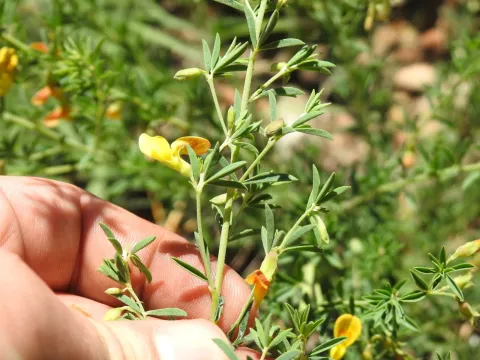
Dichilus is a genus of perennial plants belonging to the legume family, Fabaceae. These plants are primarily native to Southern Africa, where they have adapted to diverse environments, ranging from grasslands to rocky slopes.
What the section contains

Dichilus
Botanically, these plants are known for their trifoliate leaves and yellow, papilionaceous flowers. The growth habit varies from small shrubs to herbaceous stems, depending on the specific species and environmental factors present in their habitat.
In terms of cultivation, Dichilus requires high levels of solar radiation and exceptionally well-drained soil. They are highly intolerant of waterlogged conditions, which can lead to rapid decay of the root system, a critical factor for successful management.
The plants thrive in subtropical and warm temperate climates. Their natural adaptation to low-fertility soils makes them interesting for ecological restoration projects, where they contribute to nitrogen fixation in nutrient-poor environments.
Economic usage of Dichilus is currently limited to ecological research and potential inclusion in specialized pasture management in its home range. It is not widely utilized as a mass-produced agricultural crop but remains important for regional biodiversity.
The primary threats to Dichilus health are fungal pathogens, specifically those causing root rot and foliage spotting, which are favored by high humidity. Maintaining adequate air circulation is essential to mitigate these biological risks during the growing season.
Insects such as various types of leaf-eating beetles and sap-sucking pests can impact the development of the crop. Integrated pest management, focusing on early detection and physical barriers, is usually the preferred approach for maintaining plant health.