
Desmodium multiflorum
Desmodium multiflorum
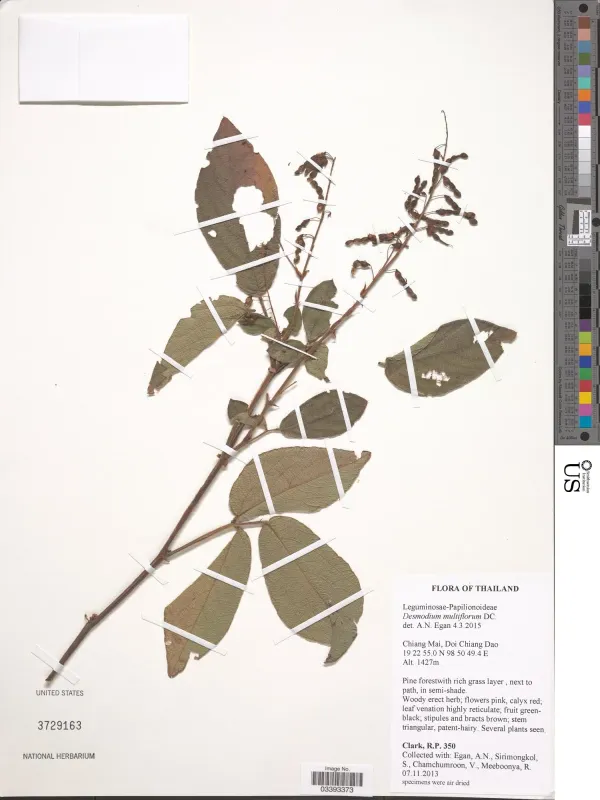
Description
Sowing dates
Desmodium multiflorum is a perennial shrub belonging to the Fabaceae family. Planting is typically performed during the spring when soil temperatures allow for consistent germination and rapid initial growth.
Effective seedbed preparation requires a fine, well-tilled soil surface to ensure good seed-to-soil contact. Seeds are planted at a shallow depth of 1–2 cm to maximize emergence rates and support the early seedling development.
The seeding rate is determined by the intended use of the crop, whether for hay production or soil erosion control. Row spacing is typically kept between 30–45 cm to allow for proper management and airflow within the canopy.
Initial growth during the first year is focused on establishing a strong root system. During this period, weed control is essential to prevent competition for sunlight, water, and nutrients, which could stunt the young plants.
Inoculation with compatible Rhizobium bacteria before sowing significantly enhances nitrogen fixation. This practice is crucial for maximizing productivity, especially in soil with lower native fertility.
Growing requirements
This crop thrives in well-drained, fertile loamy or sandy soils. It is sensitive to waterlogging, and heavy clay soils with poor drainage can significantly hinder root development and overall plant health.
Desmodium multiflorum is a warmth-loving species that requires a long growing season to reach its full potential. It demonstrates moderate drought tolerance once established, thanks to its deep and robust root system.
Full sun exposure is necessary for the development of high-quality biomass. Shaded conditions lead to spindly growth, reduced foliage production, and a decline in the nutritional profile of the harvested forage.
The plant is well-adapted to various tropical and subtropical environments. It shows a degree of tolerance to slightly acidic soils, making it an excellent candidate for reclaiming degraded or marginal land.
Balanced fertilization, particularly with phosphorus and potassium, is recommended to support flower development and seed production. Nitrogen inputs should be kept low to encourage the plant's natural nitrogen-fixing ability.
Yield
The yield of Desmodium multiflorum is highly dependent on frequency of harvesting and the overall quality of soil management. Under optimal conditions, the crop can provide multiple harvests per growing season.
The nutritional value of this crop is characterized by high protein content in its leaves. This makes it an invaluable forage source for livestock, providing high-quality protein for cattle and other ruminants.
Peak biomass productivity is usually attained between the second and third year of growth. Sustainable management practices are required to maintain high yield levels over the long term.
Beyond its value as forage, the crop serves as an effective cover crop. It improves soil structure by adding organic matter and atmospheric nitrogen, which benefits subsequent crops in a rotation cycle.
Seed yields are highly sensitive to weather conditions during the flowering and pod-filling stages. Proper harvest timing is critical to prevent pod shattering and yield losses due to untimely weather events.
Main diseases and pests
Fungal diseases, such as anthracnose and various leaf spots, represent the primary threat to this crop, especially in regions with high humidity or poor canopy ventilation. Crop monitoring is vital for early detection.
Insect pests, including aphids and pod-boring larvae, can cause significant damage to foliage and developing seeds. Integrated pest management strategies are advised to keep populations below economic injury levels.
Root rot is a common issue in poorly drained fields, often exacerbated by persistent wet conditions. Selecting well-drained sites and practicing crop rotation helps to minimize these soil-borne pathogen threats.
Invasive weeds can easily outcompete the crop during the establishment phase. Using pre-emergent or selective post-emergent herbicides can help keep the field clean while the Desmodium plants develop their canopy.
Environmental stress, such as extreme temperature fluctuations, can impact the vigor of the crop, making it more susceptible to opportunistic diseases. Maintaining overall plant health is the best defense against threats.
Harvesting
For high-quality hay, the crop should be harvested at the onset of the flowering stage. This timing ensures an optimal balance between total biomass volume and essential nutrient concentration.
When cutting for forage, maintaining a stubble height of at least 10–12 cm is vital for rapid regrowth. This practice preserves energy reserves in the crown and roots, promoting long-term persistence of the stand.
For seed production, harvesting should take place when the majority of the pods have turned color but before they completely dry and shatter. Proper combine settings are necessary to minimize physical damage.
Post-harvest management involves rapid drying to maintain leaf quality. Since the leaves contain the highest protein content, mechanical handling must be gentle to minimize leaf loss during transport and storage.
Storage should occur in a dry, well-ventilated area to prevent mold growth. Properly stored hay can maintain its nutritional profile for an extended period, providing a reliable source of winter feed.