
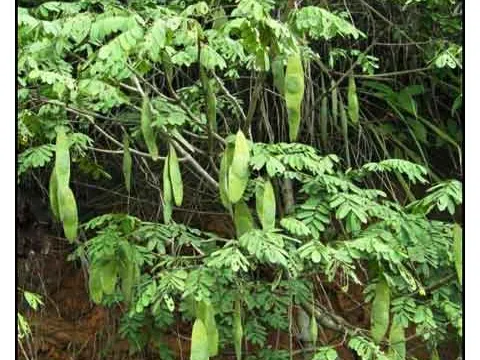
Dalbergia stipulacea
Dalbergia stipulacea
Dalbergia stipulacea is a perennial woody plant belonging to the Fabaceae family. It typically grows as a climbing vine or a small tree, native to the lush tropical forests of Southeast Asia.
What the section contains
Dalbergia stipulacea
The species thrives in warm, humid tropical climates with substantial annual rainfall. In its natural habitat, it is often found near riverbanks and on the edges of dense forest areas, which provide sufficient sunlight and humidity.
Soil requirements are centered on well-drained, nutrient-rich substrates. The plant is adaptable to various tropical soil types but prefers a neutral pH range to maximize its nitrogen-fixing capabilities.
Cultivation practices require the use of support structures to facilitate the natural climbing habit of the species. Proper spacing is essential to prevent overcrowding and ensure adequate light penetration for all parts of the plant.
Agricultural maintenance involves regular mulching to retain soil moisture and the application of organic fertilizers. Keeping the soil healthy is vital for the longevity of the tree and its overall development.
The economic utility of Dalbergia stipulacea is primarily focused on its medicinal properties and the harvesting of wood for specialized crafts. Various parts of the plant are utilized in traditional regional practices.
In the context of agroforestry, this plant is highly valued for its ability to improve soil health. As a legume, it fixes nitrogen, effectively fertilizing the soil for neighboring crops in diverse plantation systems.
Harvesting strategies are based on sustainable management to ensure the long-term viability of the plant populations. The slow-growing nature of the species necessitates careful planning for resource extraction.
Biomass production depends significantly on local rainfall patterns and the quality of plantation management. High-standard maintenance results in higher yields of essential plant tissues.
Sustainable use involves selective harvesting, where only mature parts of the plant are collected, ensuring that the plant's physiological integrity remains intact for continued growth.
Common threats to Dalbergia stipulacea include fungal infections, which are prevalent in high-humidity environments. These pathogens can affect both the root system and the canopy, impacting overall vitality.
Insect pests such as wood-boring beetles and defoliators pose a risk to younger plants. Regular inspections and early intervention are necessary to keep infestation levels under control.
Competition from fast-growing invasive weeds can significantly hinder the establishment of Dalbergia stipulacea. Constant weeding and field management are required to protect the young trees.
Extreme weather events, including heavy storms and prolonged drought, can negatively affect the health of the trees. Proactive site selection is crucial to mitigate these environmental risks.
Human-induced environmental changes, such as habitat loss and uncontrolled deforestation, pose the greatest challenge to the survival of the species in the wild, calling for better conservation efforts.