
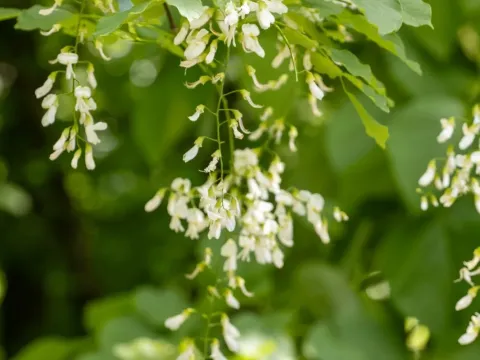
Yellowwood
Cladrastis lutea
Cladrastis kentukea, widely known as the American yellowwood, is a deciduous tree belonging to the Fabaceae family. Native to the Southeastern United States, it is highly prized for its fragrant, pea-like white flowers that bloom in large, drooping clusters.
What the section contains
Yellowwood
This species thrives in full sun exposure, which is essential for developing its characteristic rounded crown and promoting heavy flowering. While it can tolerate partial shade, it performs best in open locations where sunlight can reach all parts of the foliage.
The ideal soil for the yellowwood is deep, fertile, and well-drained. It is known to tolerate a variety of soil types, including those with a high lime content, making it a versatile choice for different landscape conditions where other trees might struggle.
Regarding climate, the plant is hardy and adapts well to various temperature fluctuations. It requires protection from strong winds, especially while young, to prevent branch breakage and ensure the development of a strong, healthy root system.
Watering management is crucial during the establishment phase. After the tree is well-rooted, it shows a moderate degree of drought tolerance, though supplemental irrigation during severe dry spells will improve its overall health and vitality.
Yellowwood is considered relatively disease-free, but like many members of the legume family, it can be susceptible to environmental stress. The most common issues arise from poor drainage, which can lead to root system decay.
Verticillium wilt is a potential threat that can affect the vascular system of the tree. To minimize this risk, it is important to avoid planting the tree in sites previously occupied by other susceptible species and to maintain good soil health.
Pests such as aphids and scale insects may occasionally infest the leaves or tender stems. These are typically managed through biological control methods or, in severe cases, by applying appropriate horticultural oils or systemic insecticides.
Mechanical damage to the bark must be avoided, as the tree has thin bark that is sensitive to physical injury. Such wounds can facilitate the entry of wood-boring insects and fungi, potentially leading to long-term structural decline.
Regular monitoring of the canopy and base of the trunk for signs of discoloration or dieback is recommended. Proper horticultural hygiene, including the removal of dead wood, will significantly reduce the risk of secondary infections.