
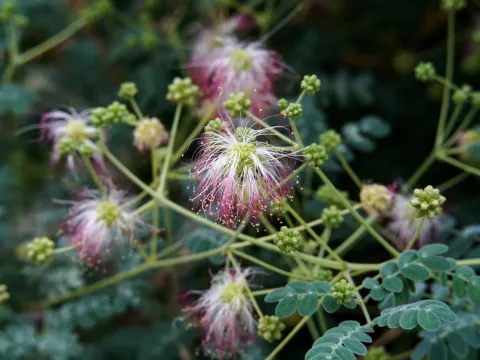
Zapoteca
Zapoteca
The genus Zapoteca belongs to the Fabaceae family, specifically the Mimosoideae subfamily. These plants are typically perennial shrubs or subshrubs native to the tropical and subtropical regions of the Americas, displaying unique botanical characteristics.
What the section contains


Zapoteca
Optimal growth requires consistent warmth and significant solar exposure. Zapoteca species are not frost-tolerant and thrive best in environments where temperatures remain stable throughout the active growth phase, avoiding extreme shifts.
Soil requirements focus primarily on excellent drainage. Because the root systems of Zapoteca are susceptible to rot, it is essential to plant them in substrates that do not allow water to accumulate, favoring sandy or loamy textures.
As a legume, Zapoteca is known for its ability to form symbiotic relationships with nitrogen-fixing bacteria. This biological feature makes it an important plant for soil enrichment in sustainable agroforestry systems.
The agricultural use of Zapoteca is diverse, ranging from its role as a cover crop that prevents soil erosion to its inclusion in forage systems, where it serves as a protein-rich feed source for livestock in tropical landscapes.
Zapoteca plants are often threatened by various fungal pathogens that flourish in high-humidity environments. Powdery mildew and leaf spot diseases are among the most common issues that can affect the foliage and stem health.
Pests such as aphids, whiteflies, and spider mites frequently target the plant, feeding on the tender sap of young shoots. These infestations can significantly weaken the plant and serve as vectors for secondary viral infections.
Effective management involves maintaining adequate spacing between individual plants to promote airflow, which reduces the moisture levels on leaf surfaces and limits fungal proliferation.
Monitoring for signs of stress is crucial for successful cultivation. Early identification of discoloration or stunted growth allows for timely intervention using organic or chemical control methods depending on the severity.
Cultural practices, such as removing debris and avoiding overhead irrigation, help mitigate disease risks. Integrated pest management (IPM) is recommended to maintain a balance between plant health and the surrounding ecological environment.