
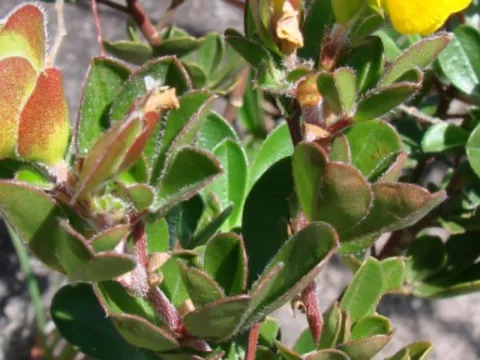
Zornia
Zornia
Zornia seeds are typically sown directly into prepared soil at the beginning of the rainy season, which is essential for uniform germination. A planting depth of 1 to 2 centimeters is recommended to ensure the seeds have sufficient contact with moist soil.
What the section contains
 Zornia bracteata
Zornia brasiliensis
Zornia brasiliensis
Zornia bracteata
Zornia bracteata
Zornia brasiliensis
Zornia brasiliensis
 Zornia capensis
Zornia capensis
Zornia capensis
 Zornia diphylla
Zornia diphylla
Zornia diphylla
 Zornia gemella
Zornia gemella
Zornia gemella
 Zornia gibbosa
Zornia glabra
Zornia glabra
Zornia gibbosa
Zornia gibbosa
Zornia glabra
Zornia glabra
 Zornia glochidiata
Zornia leptophylla
Zornia leptophylla
Zornia glochidiata
Zornia glochidiata
Zornia leptophylla
Zornia leptophylla
 Zornia linearis
Zornia linearis
Zornia linearis
 Zornia microphylla
Zornia pratensis
Zornia pratensis
Zornia microphylla
Zornia microphylla
Zornia pratensis
Zornia pratensis
 Zornia reticulata
Zornia sericea
Zornia sericea
Zornia reticulata
Zornia reticulata
Zornia sericea
Zornia sericea
 Zornia setosa
Zornia setosa
Zornia setosa
Zornia
The seeding rate varies based on the method of establishment, generally ranging from 5 to 10 kilograms per hectare. It is important to ensure even seed distribution to establish a dense and uniform pasture stand.
Seed scarification is often employed to break the hard coat of the seeds, which can significantly improve field emergence rates in varied soil conditions. This pre-treatment ensures a more predictable establishment of the crop.
Zornia demonstrates a strong ability to self-seed, which allows for natural regeneration of the pasture in subsequent years if managed correctly. This biological advantage reduces the need for frequent re-seeding.
In tropical environments, timing the sowing to coincide with the onset of consistent rainfall is critical to prevent the desiccation of young seedlings during their delicate establishment phase.
Zornia is a perennial herbaceous plant belonging to the Fabaceae family, well-adapted to hot and humid tropical and subtropical climates. It is recognized for its ability to thrive in soils with low fertility.
The plant prefers well-drained soil conditions and is sensitive to waterlogging. It excels in savanna environments and open grasslands where competition for light is minimal and soil aeration is sufficient.
High light intensity is vital for the optimal growth and biomass production of Zornia. Shaded areas significantly reduce the plant's yield and vigor, making open fields the preferred choice for cultivation.
Optimal growth occurs at temperatures ranging between 20 and 35 degrees Celsius. Zornia is not cold-tolerant and will suffer significant damage or mortality if exposed to frost or prolonged cool weather.
It performs best in neutral to slightly acidic soils. The presence of effective nitrogen-fixing bacteria in the soil is beneficial, and phosphate fertilization can often stimulate both vegetative growth and root development.
The yield of Zornia as a forage crop depends heavily on site management and rainfall frequency. It is valued for its capacity to provide high-quality green fodder in challenging tropical environments.
Dry matter yields generally fall within the range of 2 to 5 tons per hectare per growing season. These results are achievable under optimal management practices that balance grazing intensity with recovery periods.
The nutritional value of Zornia is characterized by a high crude protein content, making it an excellent component of the diet for ruminant livestock. It remains palatable and nutritious even as the plant reaches maturity.
Strategic management of grazing intervals can significantly influence the plant's regrowth capacity. Moderate grazing encourages tillering and increases the overall productivity of the pasture throughout the season.
For hay production, mowing is best timed during the early flowering phase. This timing ensures the highest nutrient density and the best ratio of leaf to stem material for livestock consumption.
While Zornia is generally resilient, it is susceptible to various fungal diseases, particularly leaf spots, under conditions of high humidity and poor air circulation. Proper pasture management can mitigate these risks.
Root rot pathogens may become problematic in poorly drained or heavy clay soils. Ensuring adequate soil drainage during the site selection process is the most effective preventative measure against these infections.
Insect pests, including various leaf-eating insects and seed-feeding weevils, can negatively impact biomass and seed yield. Integrated pest management strategies are recommended to monitor and control populations.
Weed competition is a significant threat during the seedling stage. Once established, Zornia's dense growth habit allows it to effectively suppress most competing weed species in the field.
- Fungal leaf spots and blights.
- Root-knot nematodes in sandy soils.
- Seed-destroying weevils in reproductive stages.
- Aggressive grass weeds during establishment.
- Viral diseases transmitted by insect vectors.
Harvesting for fodder is typically carried out using mechanized mowing equipment. It is important to harvest before the stems become overly fibrous, ensuring the quality of the green or dried fodder.
When producing hay, careful drying is necessary to prevent the loss of leaves, which are the most nutrient-rich part of the plant. Air-drying in shaded or well-ventilated conditions is highly recommended.
Seed harvesting should be timed carefully as the pods mature and turn dark brown. Because the pods can shatter easily, timely collection is required to maximize the recovery of the seed crop.
Following a harvest, the pasture requires a period of rest to allow the plants to replenish their energy reserves. This management practice is essential for maintaining long-term stand viability.
Stored hay should be kept in dry conditions to prevent mold growth. Baled Zornia forage remains stable if protected from moisture and pests, providing a reliable winter or dry-season feed source.