
Yucatan caesalpinia
Caesalpinia yucatanensis
Description
Growing requirements
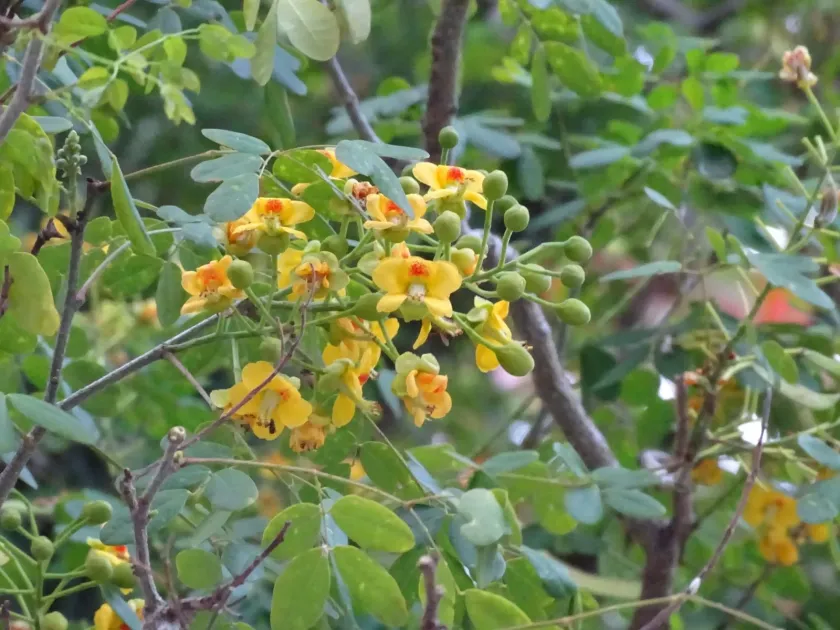
Yucatan caesalpinia (Caesalpinia yucatanensis) is a woody plant species belonging to the Fabaceae family. It is native to the Yucatan Peninsula, inhabiting seasonally dry tropical forests and exhibiting high resilience to arid environmental conditions.
The plant thrives in well-drained, limestone-derived soils. Adequate aeration is crucial for the root system, as the species is highly susceptible to waterlogging, which often leads to root damage and fungal infections in poorly drained areas.
For optimal growth, this species requires full sun exposure. It is a heliophilous plant that utilizes intense light for metabolic processes, ensuring robust stem structure and a profusion of flowers during the blooming season.
Climatic requirements involve stable warm temperatures. Yucatan caesalpinia is not frost-tolerant and must be grown in frost-free regions or protected environments if moved to temperate climates during the colder months.
Economically, the plant is primarily cultivated for ornamental purposes. It is valued for its delicate pinnate foliage and attractive inflorescences, making it a popular choice for xeriscaping and sustainable garden design in dry climates.
Main diseases and pests
The primary threat to the health of this culture is improper moisture management. Excessive irrigation combined with poor drainage frequently leads to root rot, which is the most common cause of plant loss in cultivation.
Pests such as spider mites and scale insects can pose a significant threat, especially when the plant is grown under glass or in confined spaces. These pests sap nutrients from leaves, causing chlorosis and stunted growth.
Fungal leaf spots may appear under conditions of high humidity and poor air circulation. It is essential to ensure adequate spacing between individual plants to promote airflow and mitigate the spread of pathogens.
Nutrient deficiencies, particularly involving magnesium or iron, can manifest as interveinal chlorosis. Regular soil analysis and the application of balanced micronutrient fertilizers are recommended to maintain plant vitality.
Physical injuries to the trunk or branches can act as entry points for pathogens. Careful handling during pruning and maintenance is vital to prevent bacterial or fungal infection of the vascular tissues.