
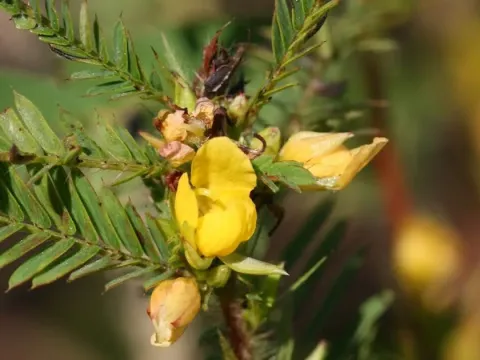
Cassia patellaria
Cassia patellaria
Cassia patellaria is a leguminous species belonging to the Fabaceae family, recognized for its role in sustainable agricultural systems. Originally native to tropical regions of the Americas, this plant thrives in warm climates and has adapted to a variety of environmental conditions found in tropical latitudes.
What the section contains
Cassia patellaria
Regarding climatic requirements, this crop favors high solar radiation and stable temperatures throughout its growth cycle. It is highly sensitive to frost, which limits its primary cultivation to frost-free zones where it can express its full vegetative potential without stress-induced setbacks.
Soil quality is a significant factor in successful production. Cassia patellaria performs optimally in well-drained, fertile soils that provide sufficient moisture retention without becoming waterlogged. The species is known for its ability to enhance soil structure through its deep and fibrous root system.
The agronomic value of this crop is primarily linked to its nitrogen-fixing capabilities and biomass production. As a leguminous crop, it helps in the natural enrichment of nitrogen in the soil, which reduces the need for synthetic fertilizers when used as part of a well-planned crop rotation program.
Botanically, the plant is characterized by pinnate leaves and distinctive yellow flowers, which are typical of its taxonomic group. Proper plant spacing is essential to ensure maximum ground coverage and weed suppression, making it a highly effective tool for soil conservation and land restoration efforts.
The primary threats to crop health include fungal pathogens, particularly root rot, which is common in environments with inadequate soil drainage. Implementing proper tillage and ensuring adequate soil aeration are vital preventive measures to maintain plant vigor and prevent significant yield losses across the field.
Insect pests can occasionally affect the foliage, particularly during the early seedling stage. A consistent monitoring program combined with integrated pest management (IPM) practices allows producers to maintain crop health and ensure that the plants successfully transition into their rapid growth phase, contributing to long-term soil health benefits.