
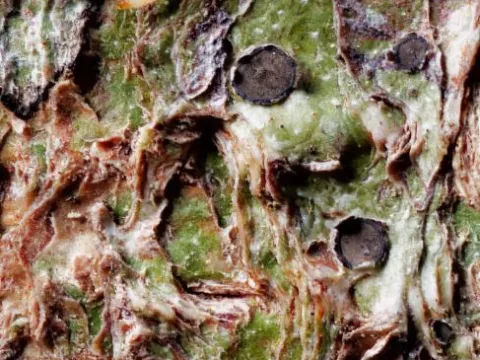
Cassia marksiana
Cassia marksiana
Cassia marksiana is a distinct species within the Fabaceae family, commonly recognized as a large, attractive flowering tree. Its botanical structure is characterized by pinnate leaves and vibrant blooms, typical of many tropical and subtropical legumes.
What the section contains
Cassia marksiana
The native range of this species is confined to specific subtropical regions of eastern Australia. It is highly adapted to the unique ecological niche of these areas, making it a rare and ecologically significant plant species.
Successful cultivation requires well-draining, nutrient-rich soil profiles. The species thrives in environments where organic matter is abundant and soil structure supports deep root penetration, which is vital for the tree's long-term stability.
Climatic requirements are centered around warmth and consistent humidity. Frost protection is essential, especially for younger trees, as the species lacks the hardiness required for colder temperate zones without significant environmental intervention.
The primary utility of the plant today is ornamental, frequently utilized in specialized botanical gardens and efforts to maintain regional plant diversity. Its role in commercial agriculture is minimal due to the rarity of the species.
The most prominent biological threats include root-rot diseases, often triggered by excessive moisture or soil compaction. Maintaining a balanced soil moisture level is the most effective preventative measure against these infections.
Pests such as aphids and various leaf-chewing insects can impact the health of foliage and young shoots. Integrated pest management strategies are advised, focusing on natural predators and targeted applications when necessary.
Weed infestation poses a significant threat during the early stages of growth, as the tree competes with aggressive opportunistic species. Careful site selection and mulch application are essential to reduce competition for light and nutrients.
Fungal leaf spots represent another challenge in humid environments, particularly when canopy airflow is restricted. Pruning practices should be aimed at ensuring sufficient ventilation throughout the tree's structure to inhibit fungal growth.
Given the conservation status of Cassia marksiana, monitoring for any signs of decay or pathogen entry is crucial. Maintaining optimal tree vitality through appropriate nutrition and care is the best strategy for long-term health.